
How Trout Sense Sound: Using Underwater Acoustics to Catch More Fish
When we think about catching trout, we often focus on fly presentation, lure color, or stealthy casting. But there’s another, often overlooked factor that plays a huge role in trout behavior—sound. Understanding how trout hear and respond to underwater noise can be the difference between a quiet day and a full creel.
In this article, we’ll break down the science behind how trout sense sound, how it affects their feeding and flight instincts, and how you can use this knowledge to become a more effective angler.
The Science: How Trout Hear Underwater
Trout, like most fish, don’t have external ears—but they are incredibly tuned in to sound. They “hear” through two key systems:
1. Inner Ear (Otoliths)
Trout have an internal ear structure with otoliths—tiny, dense bones that detect vibrations. When sound waves move through water, they cause the fish’s body (and the fluid inside their head) to vibrate, but the otoliths lag slightly behind. This difference helps them sense sound direction and intensity.
2. Lateral Line System
The lateral line runs along both sides of a trout’s body. It contains sensory cells that detect water movement and low-frequency vibrations—like the swimming of prey, footfalls on the bank, or the splash of a poorly placed cast.
This dual system means trout can detect a wide range of acoustic signals, from subtle underwater movement to louder disturbances above the surface.
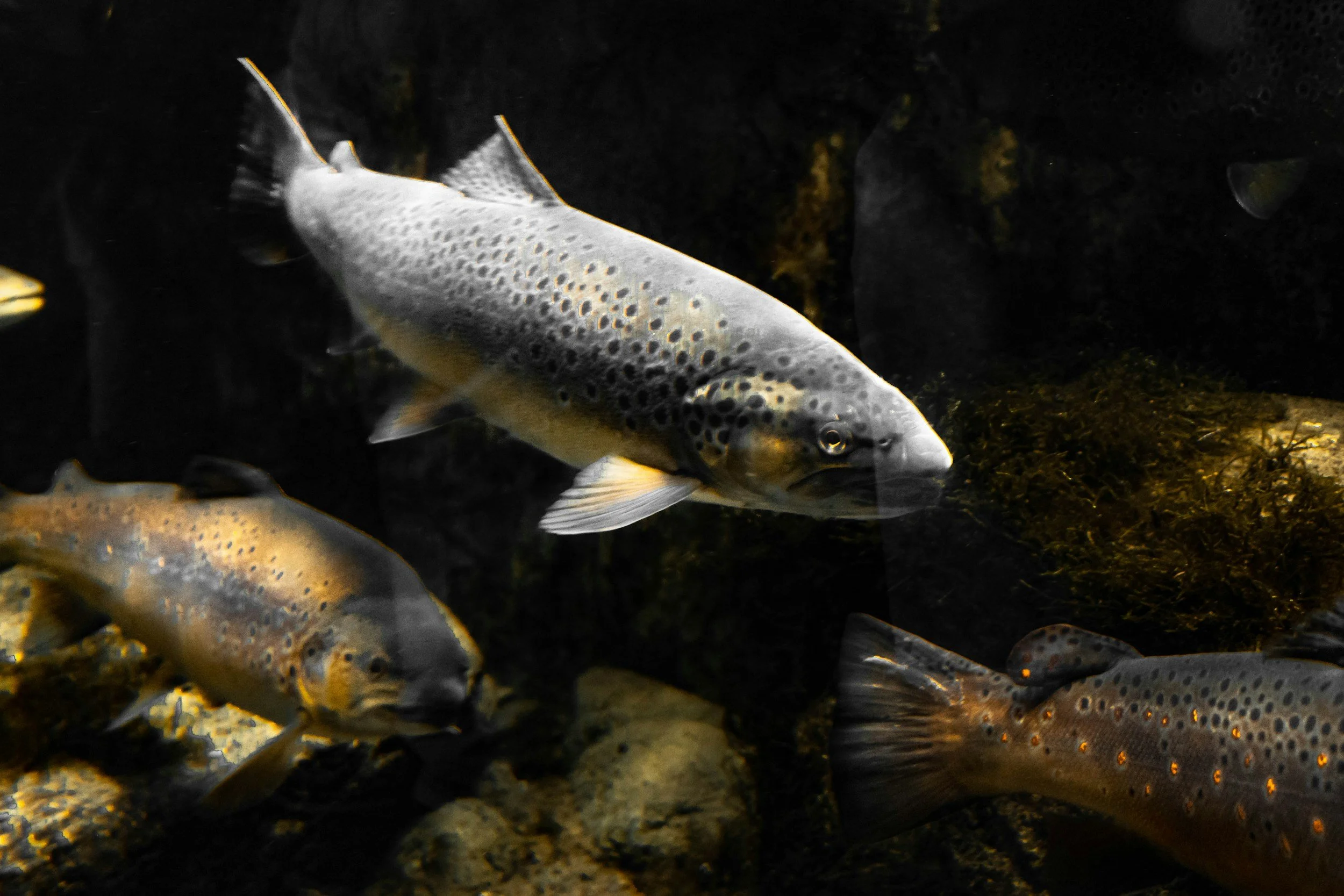
How Sound Affects Trout
What Kinds of Sound Do Trout Detect?
• Low-frequency sounds (below 500 Hz): These include boat noise, footsteps, water displacement, and lure movement. Trout are most sensitive to this range.
• Mid-frequency sounds (500–1,500 Hz): May include splashes, dragging gear, or loud surface commotion.
• High-frequency sounds (above 1,500 Hz): Less relevant; trout are not very sensitive to these.
✅ Key Point: Water transmits sound five times faster than air. What seems subtle to us may be intensely loud to a trout.
How Sound Affects Trout Behavior
Trout react to sound in a few key ways:
🔇 Spooking Response
• Loud or sudden noises can send trout fleeing into cover.
• Common spook triggers: dropped gear, wading too aggressively, or dragging a cooler over rocks.
🎣 Feeding Cues
• Subtle sounds, like the vibration of an injured baitfish or a small splash from a hopper fly, can attract trout.
• Sound paired with visual cues (like movement) often triggers a strike.
🧠 Learned Behavior
• In pressured waters, trout become conditioned to associate certain sounds—like splashing bobbers or trolling motors—with danger.
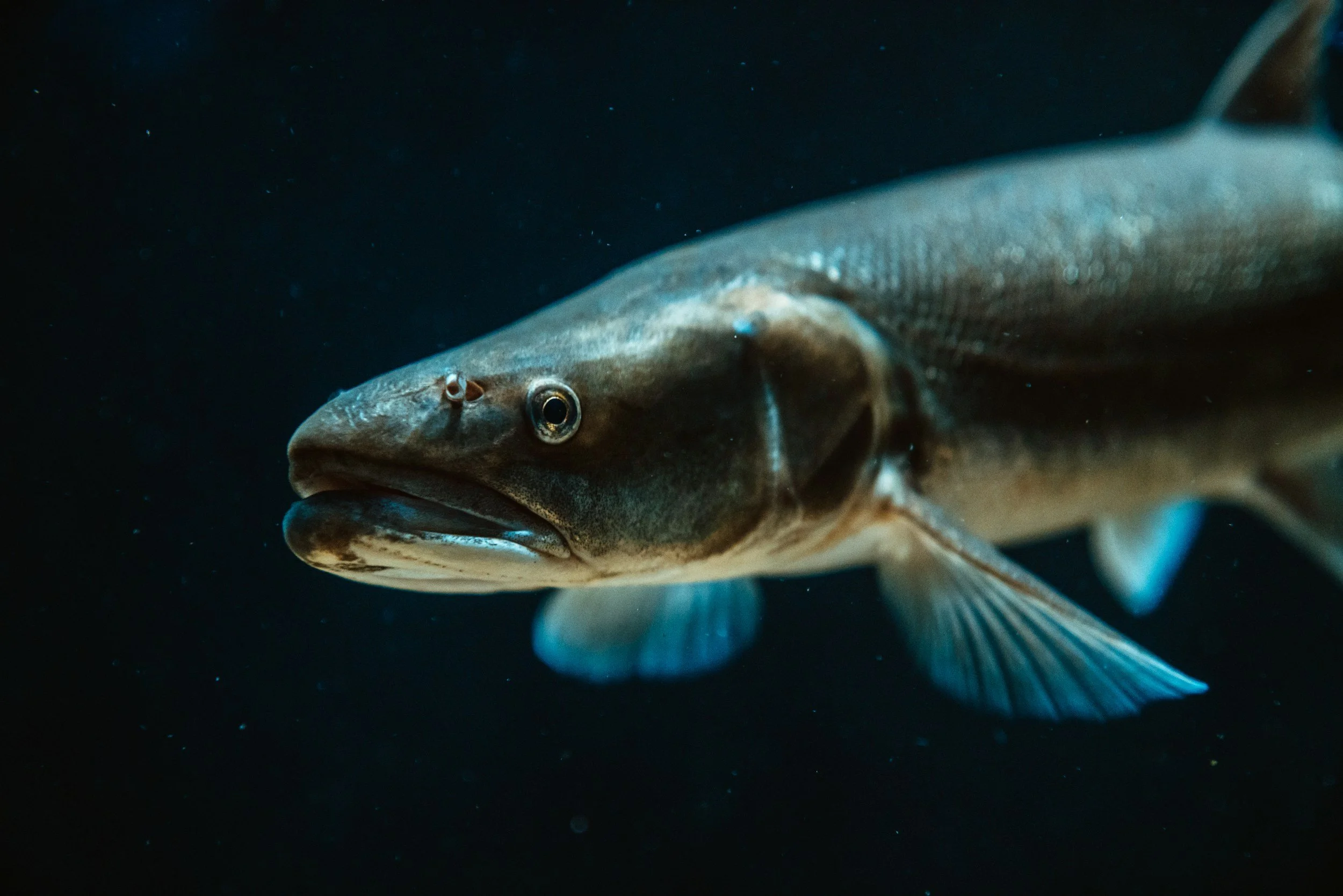
How Trout Sense Sound
Using Sound to Catch More Trout
1. Stay Silent on Approach
• Walk softly near streambanks
• Avoid clanking gear or letting your line slap the water
• Wading? Shuffle slowly and avoid kicking rocks
2. Use Sound to Your Advantage
• Streamers with rattles or articulated movement give off vibration trout can detect
• Surface flies like hoppers or mice create natural surface commotion that draws fish in
• Twitching nymphs subtly on the retrieve adds vibration, triggering curious fish
3. Choose the Right Lures or Flies
• Spoons and spinners send out strong vibrations—great for murky water
• Weighted streamers bumping along the bottom imitate sculpins or crayfish
• Subtle dry fly landings can sound like a natural insect hitting the water
4. Use Electronics Smartly
• If fishing from a boat, keep the motor off while drifting
• Be mindful of sonar “pinging” in shallow, clear water—trout may detect it
Understanding how trout sense and respond to sound can give you a powerful edge on the water. By moving quietly, choosing the right presentations, and using vibration strategically, you can avoid spooking fish and even attract more strikes.
In trout fishing, silence isn’t just golden—it’s smart. And sometimes, the right sound can be the loudest call to feed.
🎣 Fish with your ears as much as your eyes—and watch your catch rate rise.
Thanks for reading this blog post! If you’re a fishing fanatic like me, show your passion by rocking one of the fishing shirts available in my shop. Every purchase helps support my mission to spread the joy of fishing, protect the waters we love, and keep the spirit of the outdoors alive.
Tight lines,
Danny Egan
Egan Fishing
