
Best Scud Patterns for Stillwater Fly Fishing: What They Are, How to Fish Them, and the Top Imitations
When it comes to stillwater fly fishing — lakes, ponds, reservoirs — a well-presented scud pattern can be absolutely deadly. Trout and other freshwater species feast on scuds almost year-round, and if you’re not fishing them, you’re missing out on some serious action.
Let’s dive into what scuds are, how to fish them, and the best patterns to stack in your fly box for stillwater success.
What Are Scuds?
Scuds are freshwater shrimp — small, crustacean-like creatures that live in lakes, ponds, and slow-moving rivers. They swim in short bursts, usually staying close to weeds, rocks, and bottom structure. Most scuds range from about 1/4 inch to over 3/4 inch long, and their color can vary depending on their environment: olive, gray, tan, pink, and even orange.
For trout, scuds are an easy, protein-packed meal. In some stillwaters, they can make up a huge portion of a trout’s diet, especially when other food sources are scarce.
How to Fish Scuds
Fishing scud patterns isn’t flashy — it’s about understanding the behavior of real scuds and mimicking them naturally.
Techniques:
• Slow Retrieve: Use a very slow, hand-twist or figure-eight retrieve to imitate the gentle swimming motion.
• Dead Drift: Let the scud drift naturally with the current or wind. Scuds often drift helplessly when dislodged from weeds.
• Under an Indicator: Suspend a scud pattern under a strike indicator at the depth where fish are feeding. Great when fishing along weed edges or drop-offs.
• Double Nymph Rig: Pair a scud with a second fly (like a chironomid or small leech) to cover multiple food sources at once.
Gear Tips:
• Use lighter tippet (4X to 6X) to keep the presentation natural.
• Floating or intermediate sinking lines work best, depending on where the fish are holding.
• Adjust depth often — trout in stillwaters can move up and down throughout the day.
Best Scud Imitations for Stillwaters
Here’s a list of the best scud patterns to use, plus why they work:
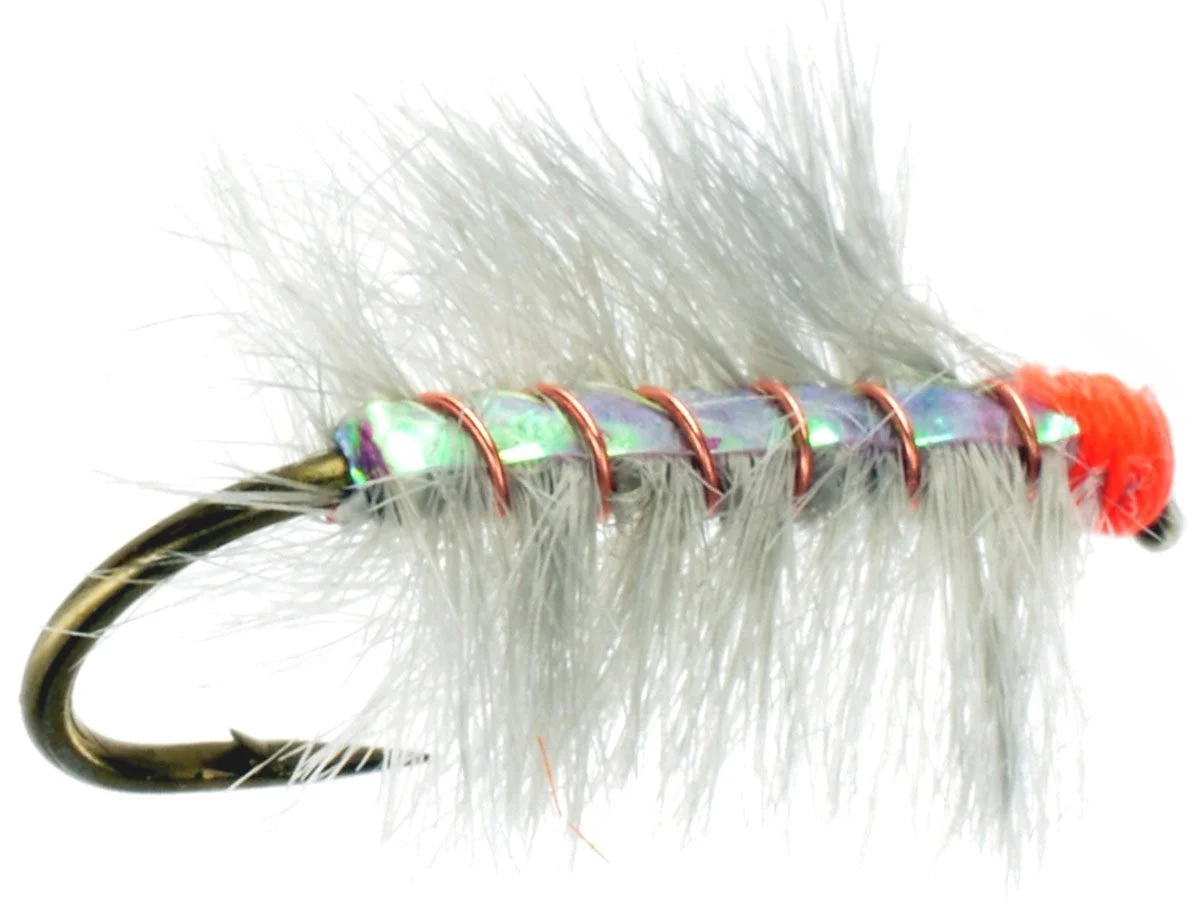
Ray Charles Scud
1. Ray Charles Scud
• Why it Works: Simple, buggy, and available in key colors (gray, olive, pink).
• Best Use: Dead-drifted or under an indicator near weed beds.
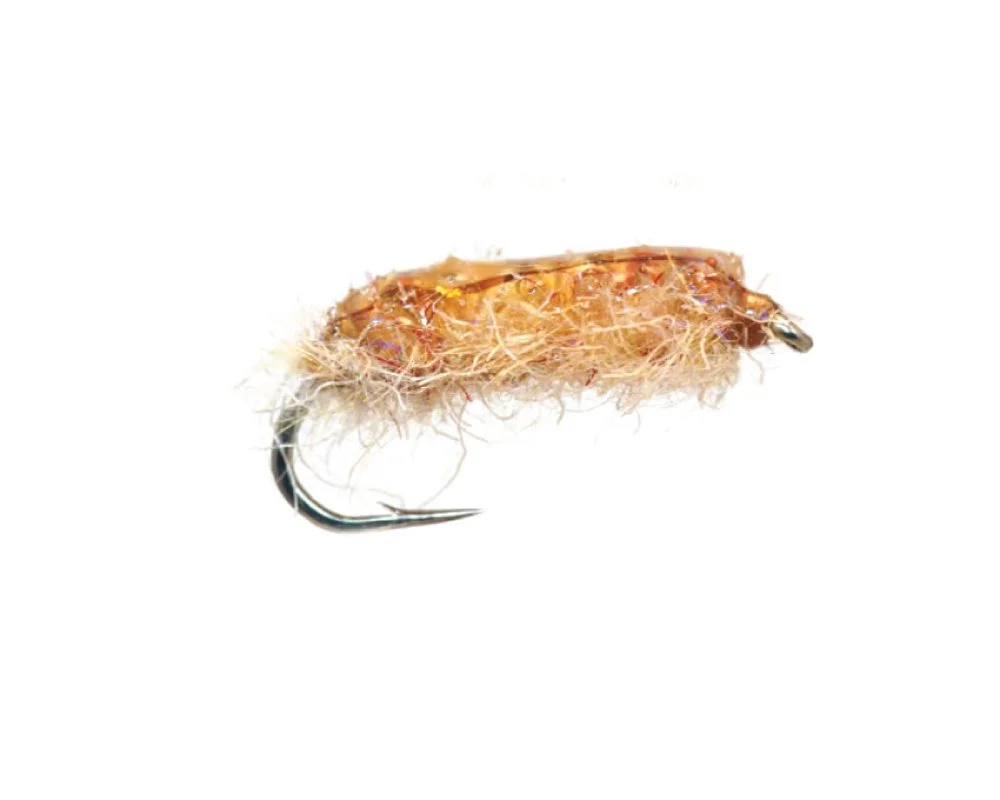
Sow Bug Scud
2. Sow Bug Scud
• Why it Works: Its ultra-realistic profile and muted color match natural scuds perfectly.
• Best Use: Slow retrieve across shallow flats.
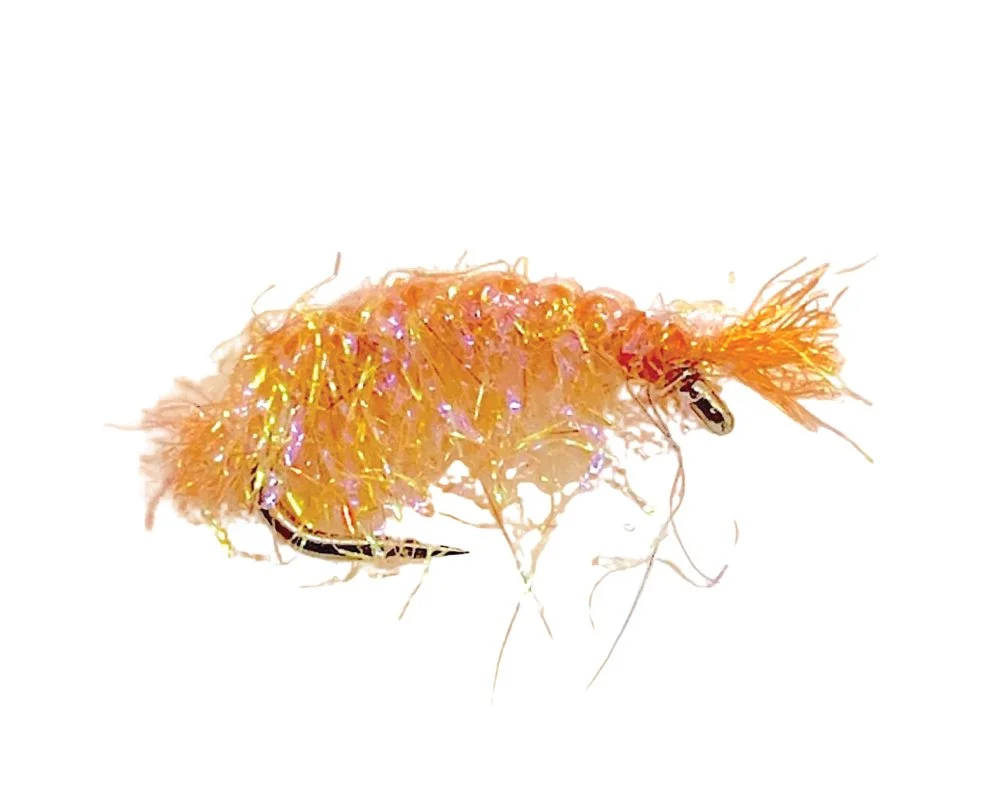
UV Scud
3. UV Scud
• Why it Works: Built with UV reflective materials that stand out in deeper or stained water.
• Best Use: When fishing lower in the water column or in low-light conditions.
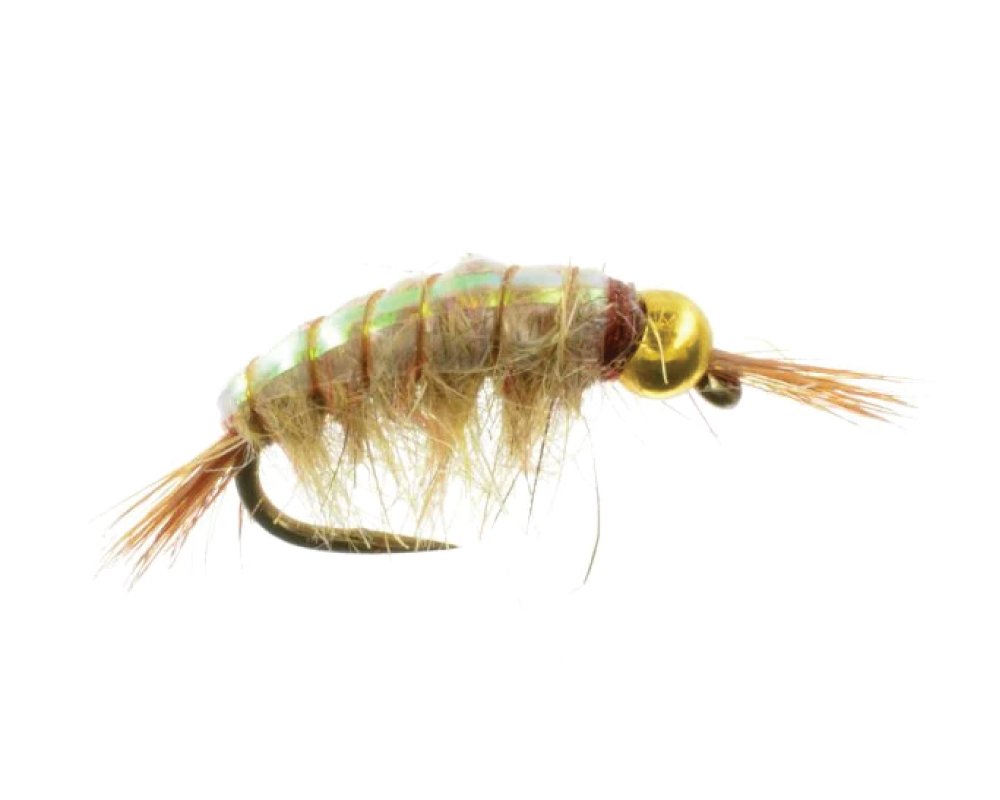
Bead Head Scud
4. Bead Head Scud
• Why it Works: The bead head helps get the fly down quickly, giving it a natural sinking motion.
• Best Use: Fishing deeper drop-offs or under a slight chop when fish are lower.
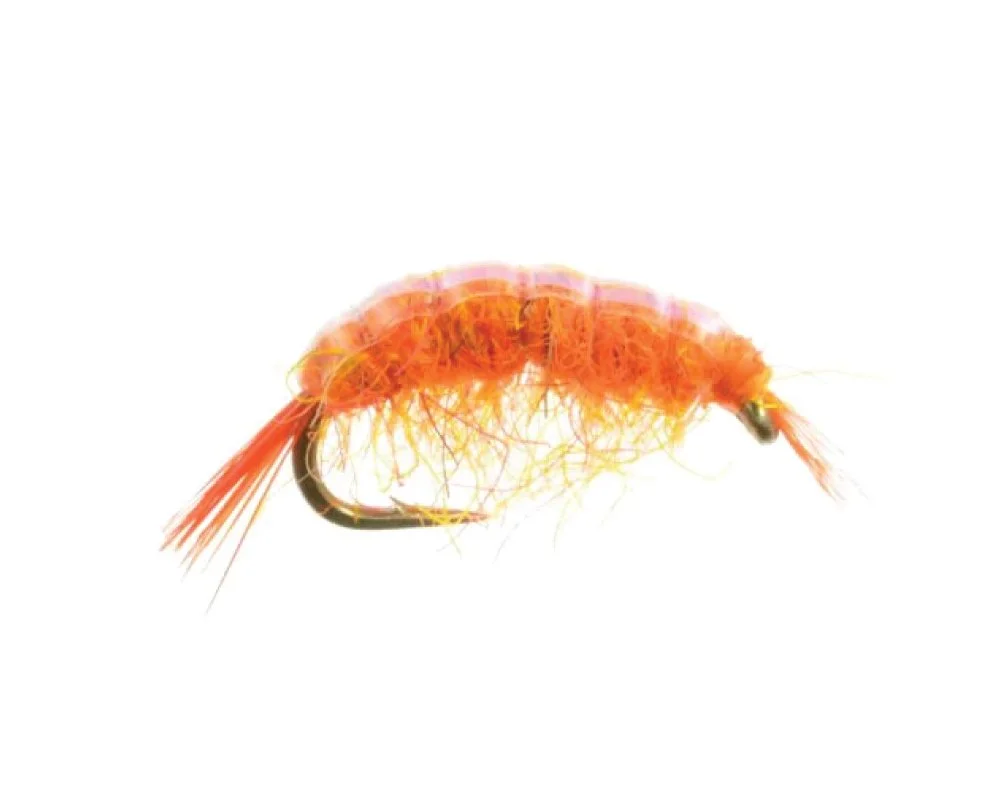
Orange Scud
5. Orange Scud
• Why it Works: Imitates a dying or stressed scud — a high-value target for trout.
• Best Use: Especially effective in late fall or after heavy weed die-offs.
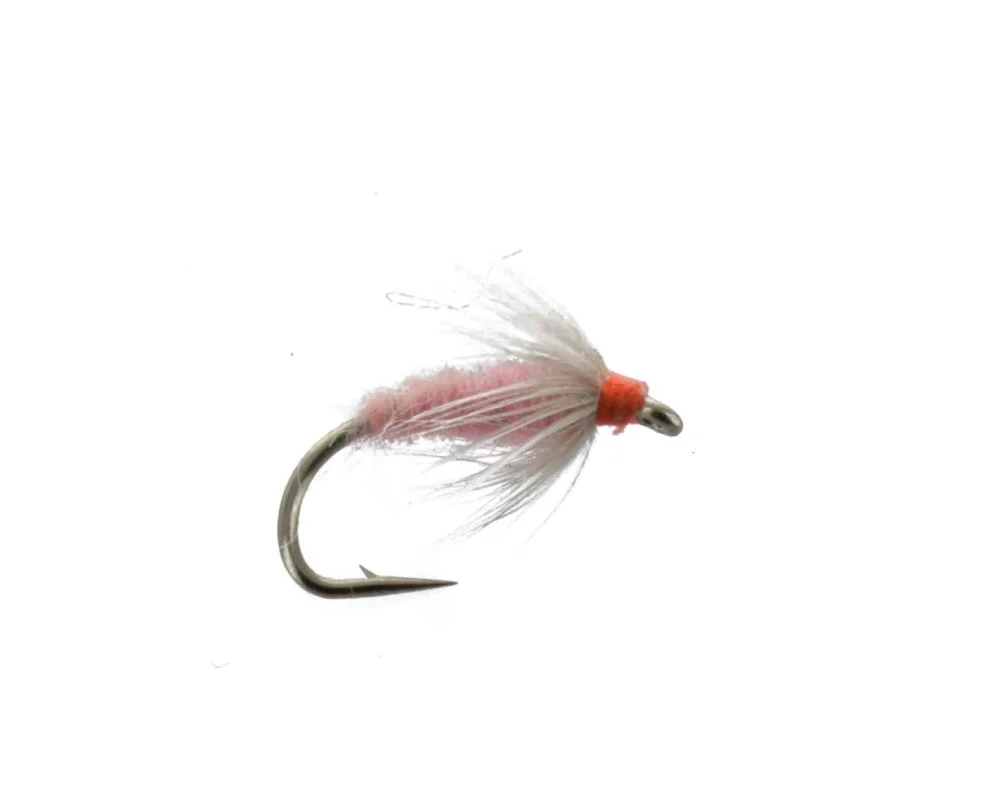
Soft Hackle Scud
6. Soft Hackle Scud
• Why it Works: The soft hackle fibers move naturally, imitating a scud’s legs.
• Best Use: Slow stripping or letting it hang under an indicator with slight movement.
Bonus Tip: Match the Size and Color
• Size: 12–18 is typical, but sometimes bigger scuds (size 8–10) are the ticket in nutrient-rich lakes.
• Color: Start with olive or tan. If that’s not working, try gray or pink.
Always flip a few rocks or grab some vegetation — seeing real scuds will help you pick the perfect pattern.
Fishing scuds on stillwaters is about subtlety and precision. When you slow down, fish at the right depth, and offer a scud that looks alive and helpless, you’re tapping into a trout’s natural instincts.
Whether you’re working the edges of a weedy flat or suspending under an indicator in deeper water, a handful of scud patterns can turn a slow day into a memory you’ll never forget.
Load up your fly box with these killer scud patterns and get ready to watch your strike indicator dive!
Thanks for reading this blog post! If you’re a fishing fanatic like me, show your passion by rocking one of the fishing shirts available in my shop. Every purchase helps support my mission to spread the joy of fishing, protect the waters we love, and keep the spirit of the outdoors alive.
Tight lines,
Danny Egan
Egan Fishing
