
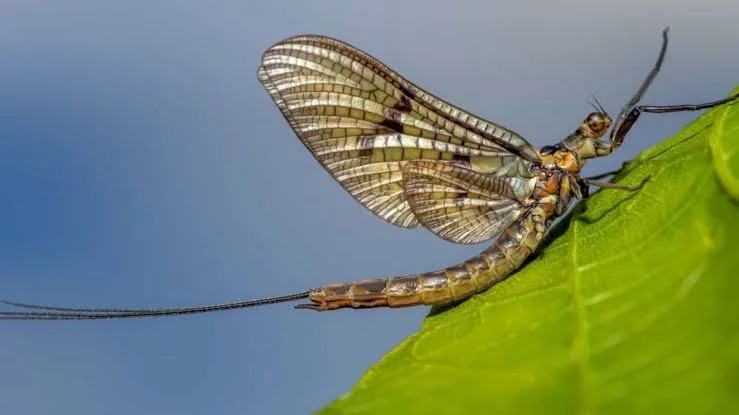
The Essential Guide to Dry Flies: Mayflies, Caddis, Stoneflies, Midges & Terrestrials
When it comes to the art of fly fishing, few things are more satisfying than watching a trout rise to sip a dry fly off the surface. But to consistently catch fish on top, you’ve got to match the hatch—understanding the types of insects trout feed on, their seasonal availability, and how to present them effectively.
This guide breaks down the five main categories of dry flies: mayflies, caddisflies, stoneflies, midges, and terrestrials. We’ll also cover essential patterns, sizing, and basic fishing tips so you’re always ready when the fish are looking up.
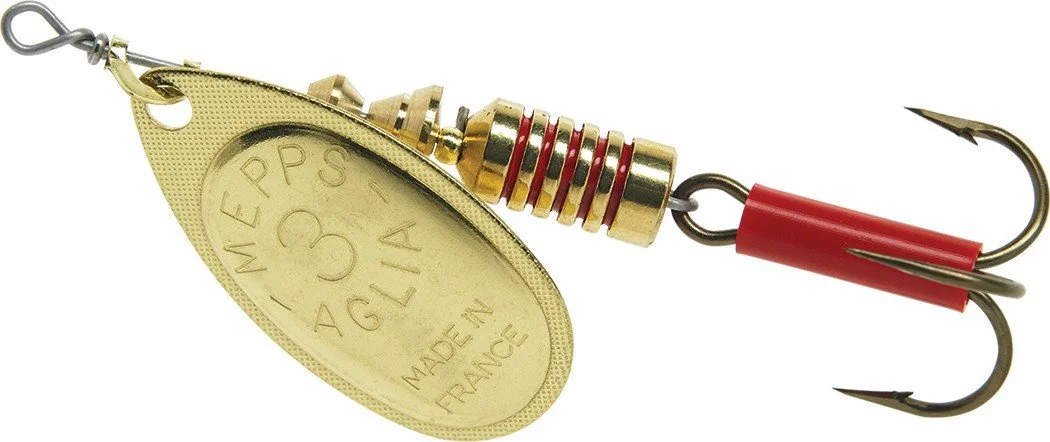
The Best Spinners for Trout: Colors, Brands, and Tactics That Get Results
When it comes to targeting trout—whether wild browns in freestone creeks or stocked rainbows in stillwater reservoirs—few lures match the reliability and effectiveness of the humble spinner. Lightweight, versatile, and deadly in the hands of a patient angler, spinners remain a staple in tackle boxes for good reason. Their ability to imitate baitfish and trigger reaction strikes through flash and vibration makes them irresistible to opportunistic trout. But not all spinners are created equal, and knowing which types, brands, and colors to use—and how to fish them—can make all the difference between a slow day and a banner outing.
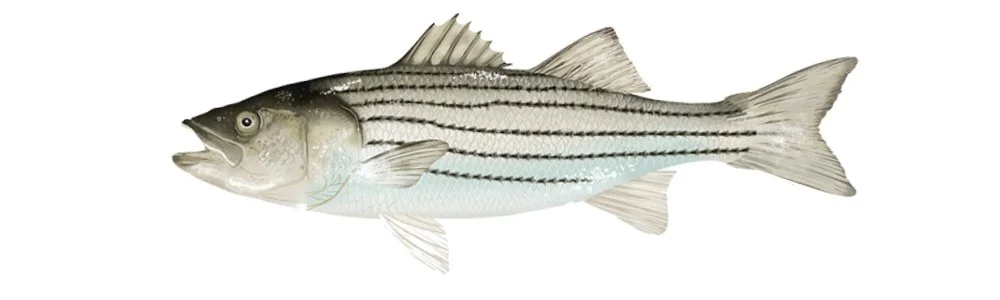
Fishing for Striped Bass in the San Francisco Bay: A Local’s Guide to Hooking Linesiders
The San Francisco Bay is one of California’s most iconic fisheries, and at the heart of its salt-and-brackish waters swims one of the most accessible and hard-fighting sportfish around: the striped bass. Known for their aggressive strikes, broad shoulders, and willingness to eat a variety of baits, stripers are a favorite target for anglers of all levels.
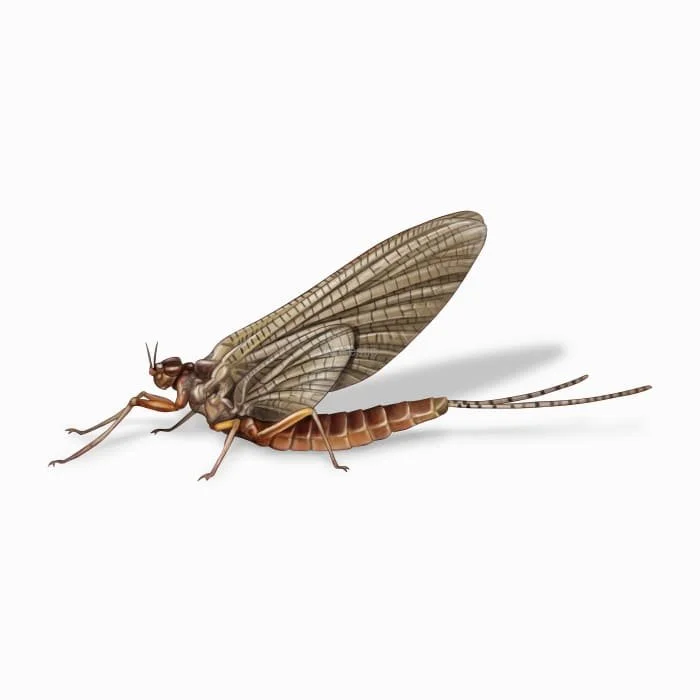
The Mayfly Life Cycle: Unlocking the Hatch to Catch More Fish
If you’ve spent time on a trout stream during a hatch, you’ve likely seen it—the sudden flutter of wings, fish rising in rhythmic pulses, and tiny insects dancing in the air like confetti. What you’re witnessing is one of nature’s most fascinating and essential events: the mayfly hatch.
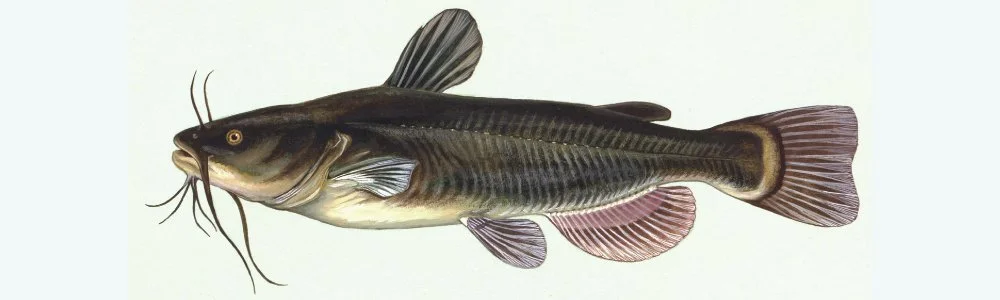
The Best Baits for Catfish: Top Picks, Techniques, and Setups That Work
Catfish are one of the most popular freshwater game fish in North America. Known for their size, strength, and bottom-dwelling habits, catfish can be caught using a variety of baits and techniques. Whether you’re chasing channel cats in a river, blues in a reservoir, or flatheads in logjams, your success often starts with the right bait.
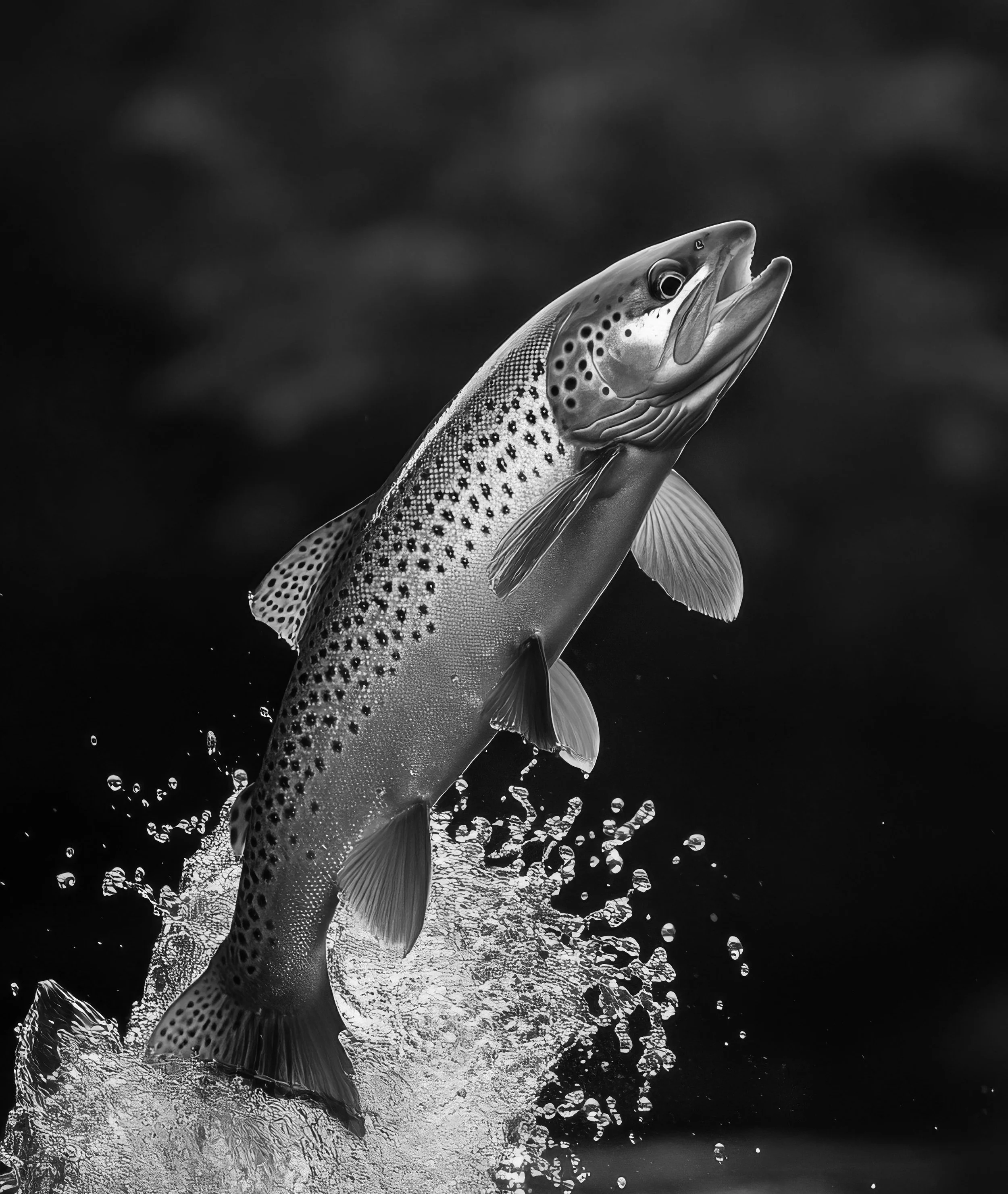
How Trout Sense Sound: Using Underwater Acoustics to Catch More Fish
When we think about catching trout, we often focus on fly presentation, lure color, or stealthy casting. But there’s another, often overlooked factor that plays a huge role in trout behavior—sound. Understanding how trout hear and respond to underwater noise can be the difference between a quiet day and a full creel.
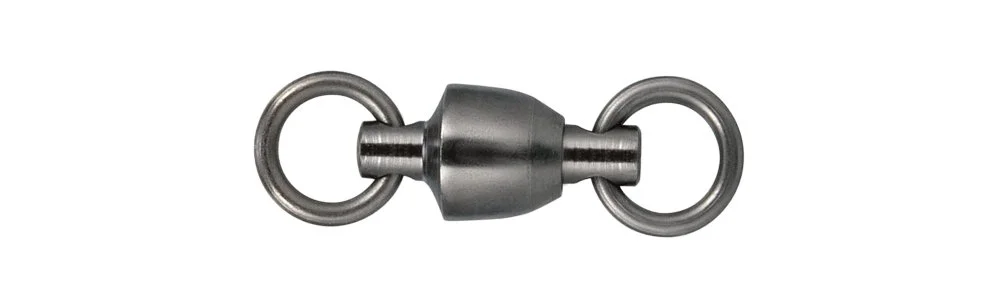
The Complete Guide to Fishing Swivels: Types, Sizes, and When to Use Them
Swivels might be one of the smallest items in your tackle box, but they play a crucial role in many fishing setups. Whether you’re trolling, casting, or bottom fishing, using the right swivel can reduce line twist, improve bait presentation, and make rigging faster and easier.
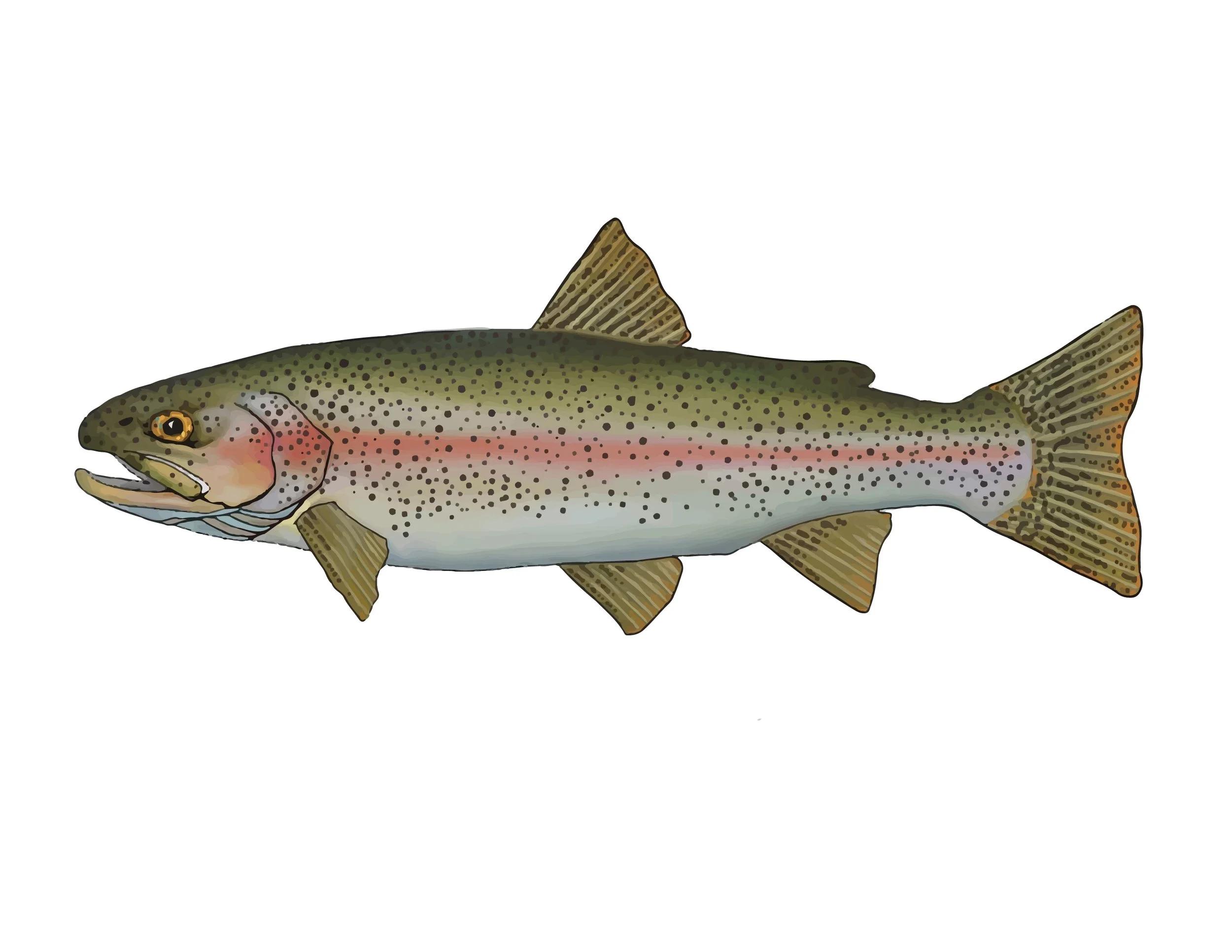
How to Troll for Kokanee Salmon and Trout: Gear, Techniques, and Tactics for Success
Trolling for kokanee salmon and trout is one of the most effective and exciting ways to fill your cooler and enjoy action-packed days on the lake. Whether you’re chasing hard-fighting kokanee in the summer or fat rainbows in early spring, trolling allows you to cover water, dial in on active fish, and fine-tune your presentation with precision.
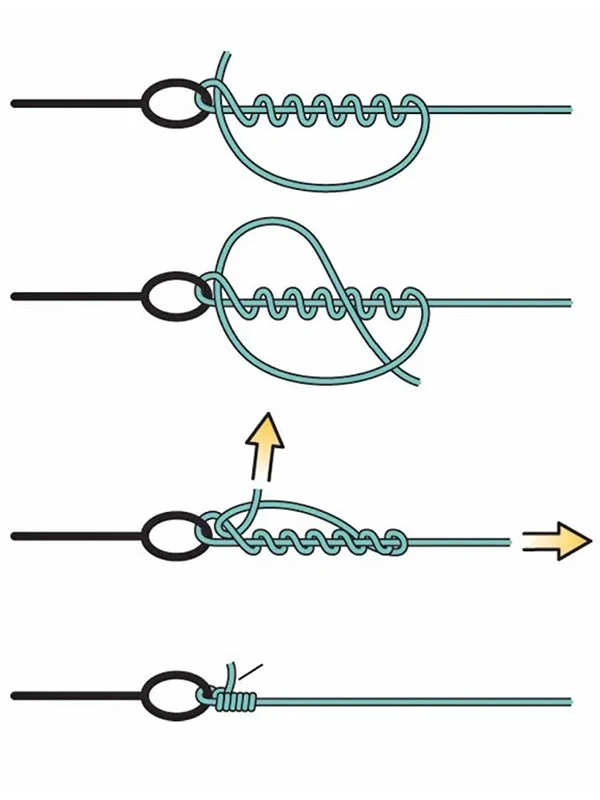
The Improved Clinch Knot: A Must-Know for Every Angler
If you were only going to learn one fishing knot to cover most of your needs, the Improved Clinch Knot might just be the one. Known for its simplicity, strength, and versatility, this knot has been a go-to for generations of anglers—beginners and pros alike.
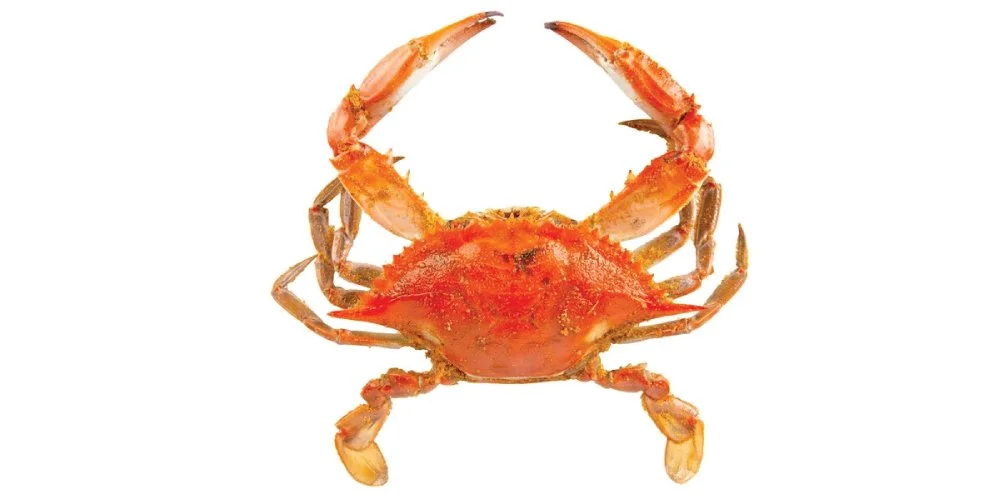
How to Fish for Crab Without a Boat: Shore-Based Crabbing Made Simple
You don’t need a boat to catch delicious, wild-caught crab. With a little gear, some strategy, and a tide chart, you can fill a bucket from shore, a dock, or even a rocky jetty. Crabbing from land is a low-cost, accessible way to enjoy fresh seafood and connect with the coast—and it’s fun for anglers of all ages.
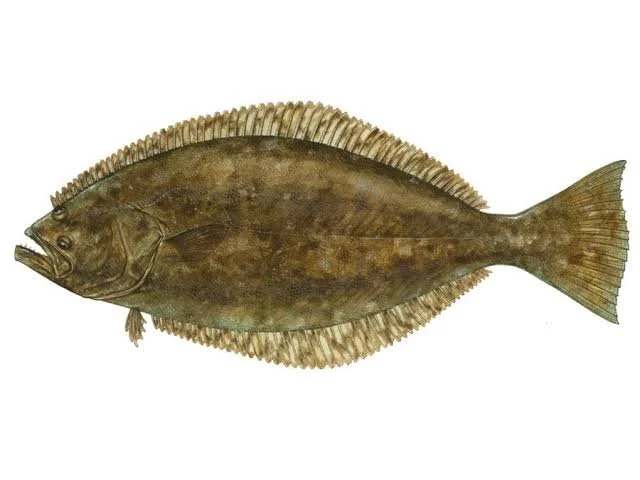
Fishing for California Halibut in San Francisco Bay: Tactics, Timing, and Hot Spots
Few fish offer the excitement, table quality, and inshore accessibility of the California halibut. In the San Francisco Bay Area, these hard-fighting flatfish are a prized catch from spring through fall, drawing both shore anglers and boaters alike.
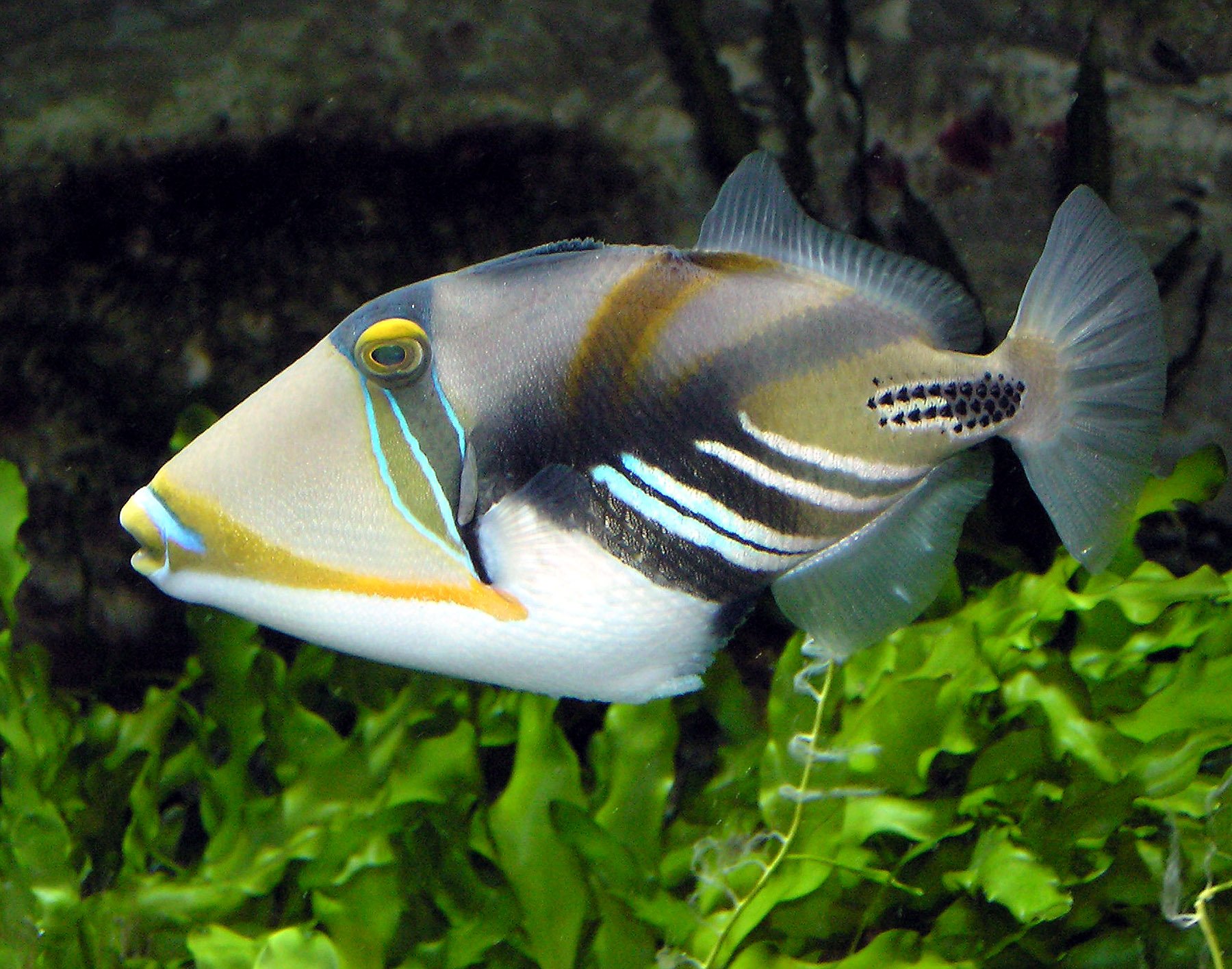
Triggerfish of Hawaii: Species, Habits, and How to Fish for These Colorful Reef Dwellers
If you’ve ever snorkeled, dived, or fished in the Hawaiian Islands, chances are you’ve encountered a triggerfish — quirky-looking, bold, and surprisingly tough for their size. Known for their powerful jaws, vivid colors, and territorial behavior, triggerfish are a staple of Hawaii’s reef ecosystems.
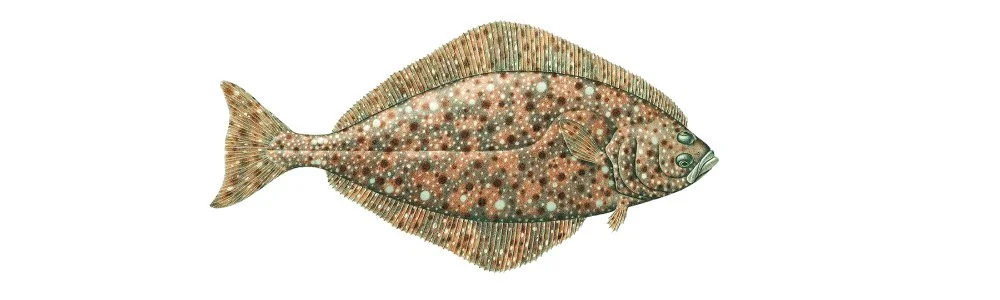
Halibut Fishing 101: Species, Seasons, Locations & Proven Tactics
Halibut fishing is a bucket-list adventure for many saltwater anglers — and for good reason. These flatfish grow to massive sizes, fight hard, and taste incredible. Whether you’re chasing them in the icy waters of Alaska or off the Pacific coast, halibut offer a thrilling and rewarding fishing experience.

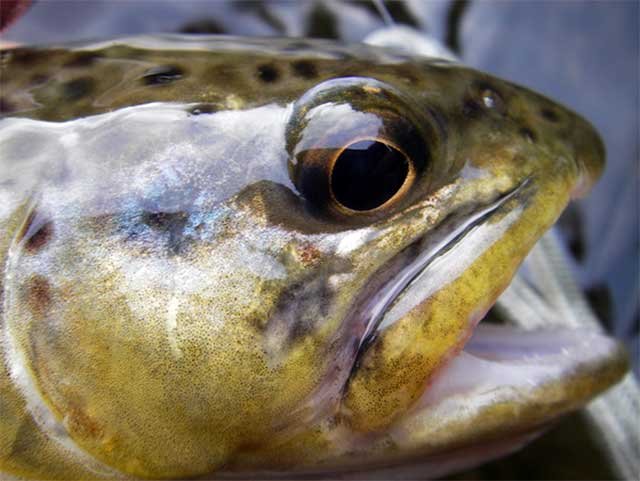
How Trout See: Understanding Trout Vision for Better Fishing Success
If you want to consistently catch more trout, understanding how these fish see the world is a huge advantage. Trout rely heavily on their vision to find food, detect predators, and survive in their aquatic environments. Their unique eyesight plays a major role in how they respond to flies, lures, and even your presence on the water.
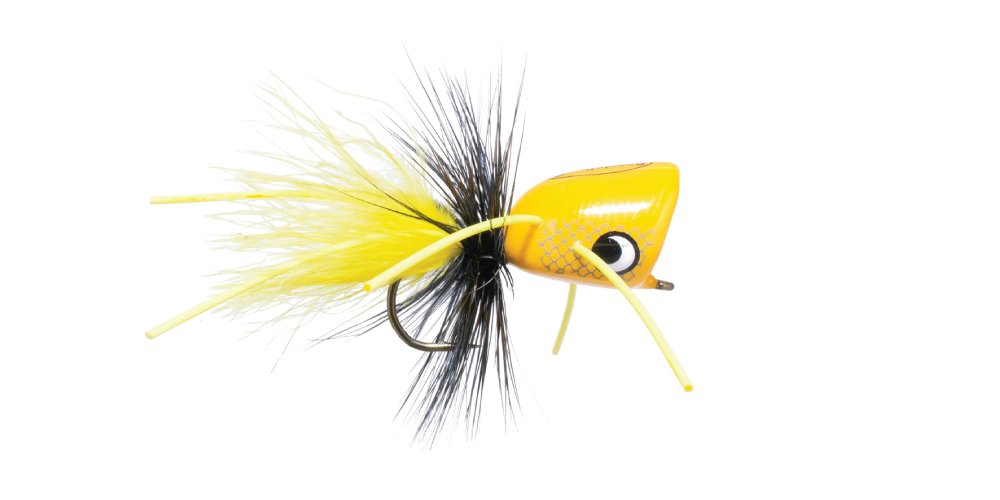
Poppers for Panfish Fly Fishing: Best Patterns, Techniques, and Tips for Success
If you’ve never thrown a popper at hungry panfish, you’re missing out on some of the most fun and action-packed fly fishing there is. Watching a bluegill, crappie, or pumpkinseed explode on a small topwater fly is pure magic — and it’s way more technical (and satisfying) than some people realize.

Best Scud Patterns for Stillwater Fly Fishing: What They Are, How to Fish Them, and the Top Imitations
When it comes to stillwater fly fishing — lakes, ponds, reservoirs — a well-presented scud pattern can be absolutely deadly. Trout and other freshwater species feast on scuds almost year-round, and if you’re not fishing them, you’re missing out on some serious action.
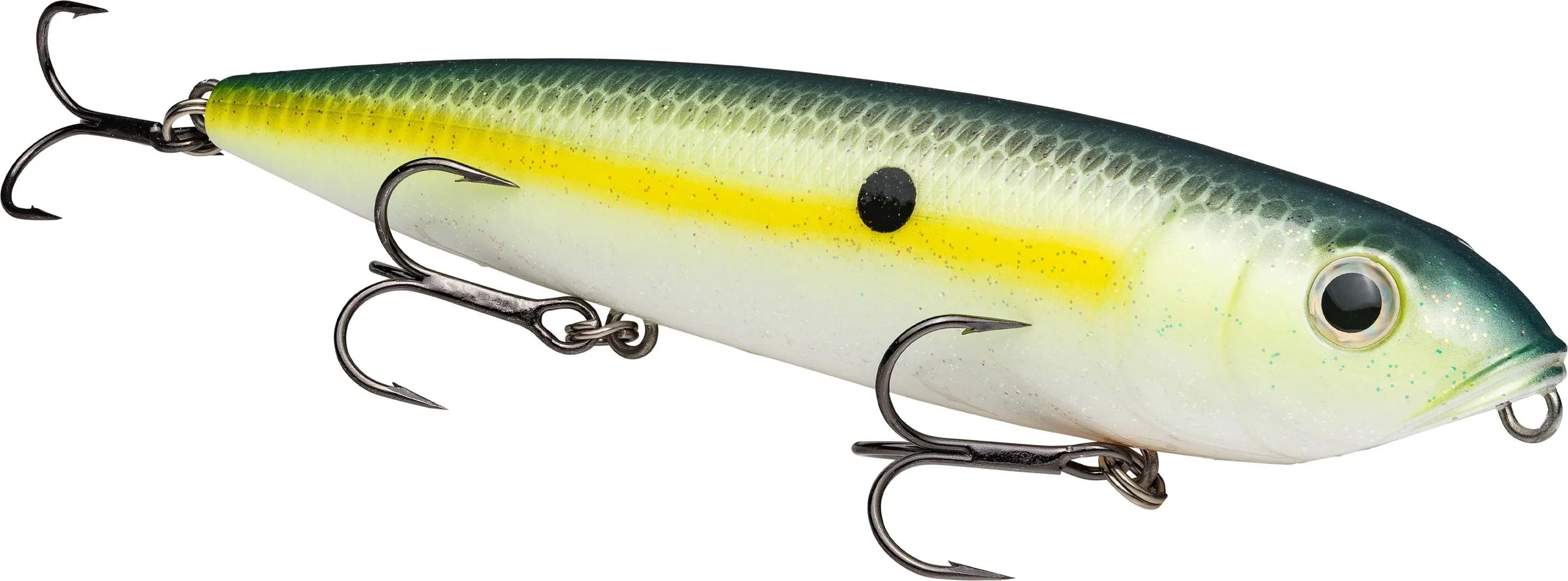
The Best Topwater Baits for Bass
There’s nothing quite like a bass blowing up on a topwater bait. It’s explosive, visual, and downright addicting. But not every topwater is the same, and knowing when, where, and how to fish different types can make all the difference between a slow day and an epic one. Let’s break down the best topwater baits for bass fishing, and why they are so effective.
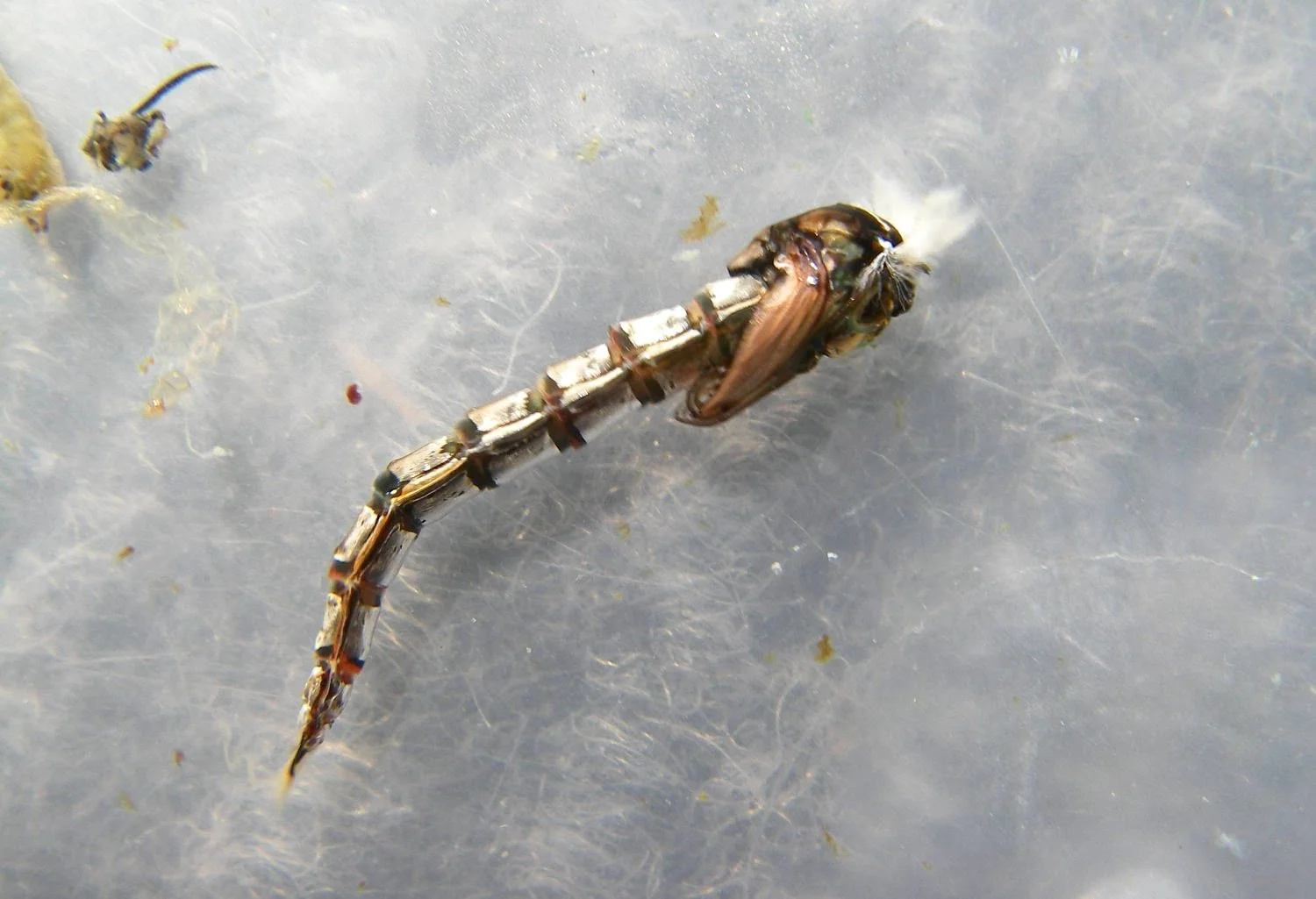
Fishing for Trout in Stillwaters with Chironomids: Unlocking the Secret to Success
If you want to catch more trout in lakes, ponds, and reservoirs, there’s one fly you need to know: the chironomid. Often overlooked by beginners and underestimated by many anglers, chironomids—also known as midges—are among the most prolific and important food sources for trout in stillwater environments. Mastering how to fish them can be the key to unlocking some of your best days on the water.
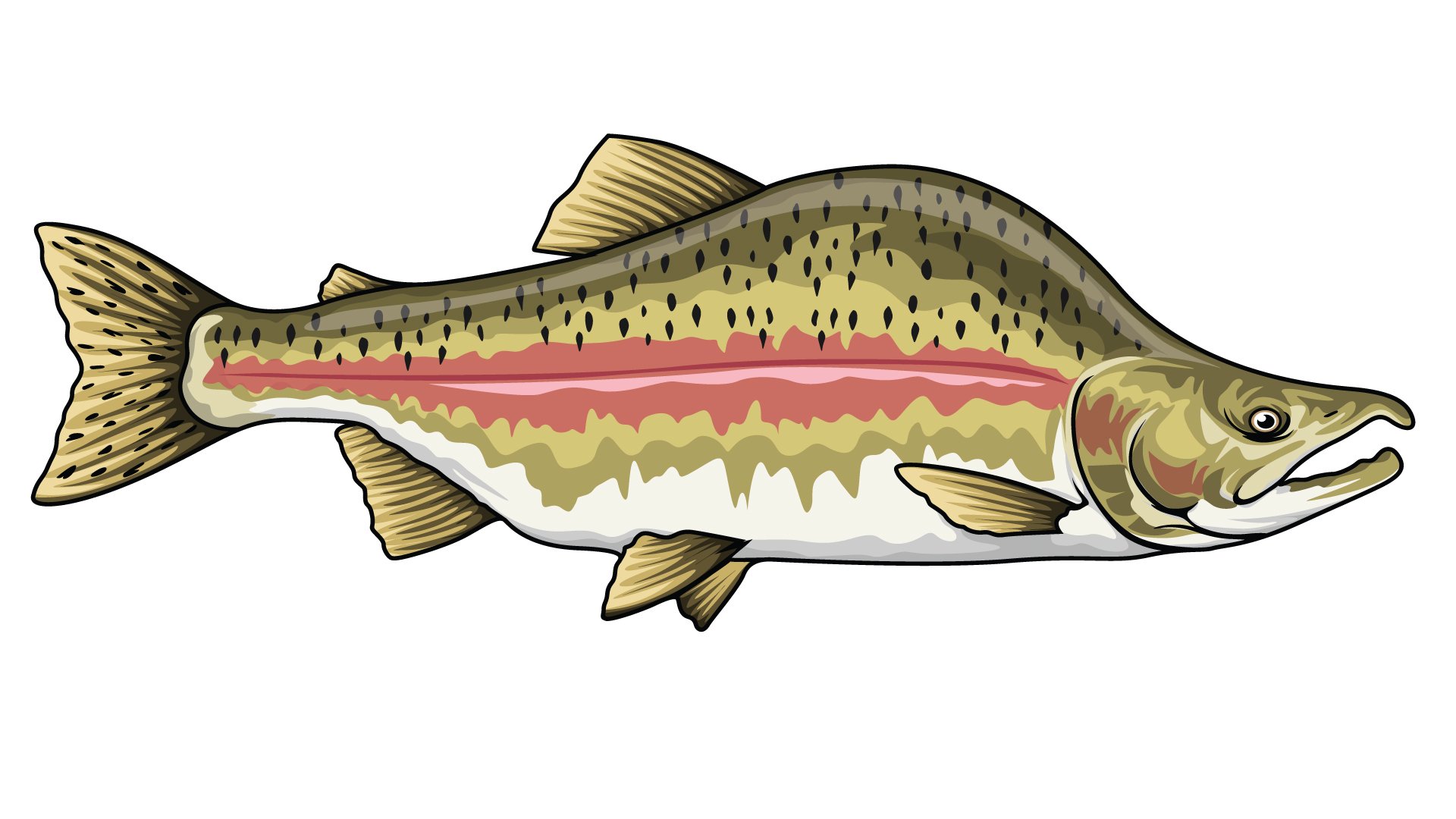
Pacific Salmon: The Iconic Wanderers of the West
Pacific salmon are among the most iconic and important fish species in North America, playing a vital role in both aquatic ecosystems and human cultures. From the rugged coastlines of Alaska to the rivers of California and across the Pacific Rim, five species of Pacific salmon make their epic migrations between freshwater and the sea. These fish are more than just prized catches—they are ecological engineers, cultural icons, and crucial components of coastal and riverine food webs.