
Halibut Fishing 101: Species, Seasons, Locations & Proven Tactics
Halibut fishing is a bucket-list adventure for many saltwater anglers — and for good reason. These flatfish grow to massive sizes, fight hard, and taste incredible. Whether you’re chasing them in the icy waters of Alaska or off the Pacific coast, halibut offer a thrilling and rewarding fishing experience.
In this guide, we’ll break down everything you need to know to target halibut successfully — including species identification, where they live, what they eat, their spawning behavior, and the most effective tactics for putting one on the deck.
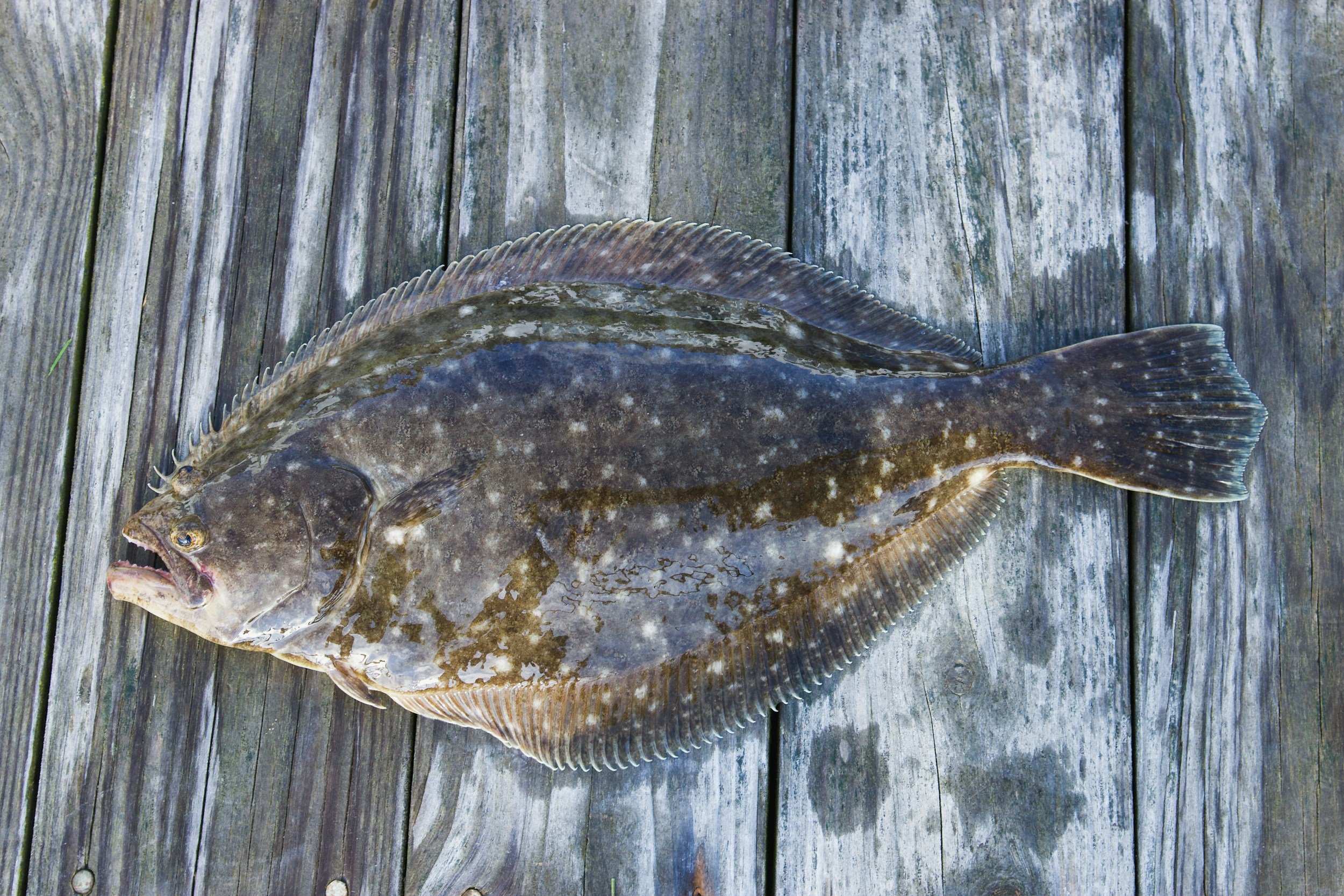
Halibut
Types of Halibut: Know Your Species
There are two main species of halibut that recreational anglers pursue:
1. Pacific Halibut (Hippoglossus stenolepis)
• The most sought-after halibut species
• Found in the North Pacific: Alaska, British Columbia, Washington, Oregon, and parts of Northern California
• Can exceed 400 pounds (with most catches between 20–100 lbs)
• Known for their meaty fillets and powerful fights
2. Atlantic Halibut (Hippoglossus hippoglossus)
• Found in the North Atlantic Ocean, including off the coasts of New England, Newfoundland, and Greenland
• Once common, but populations have declined due to overfishing (heavily regulated today)
• Can reach similar sizes to their Pacific cousins
Other flatfish like California halibut (Paralichthys californicus) are commonly mistaken for true halibut. While smaller (generally 5–30 lbs), they provide excellent fishing opportunities along the California coast and Baja California.
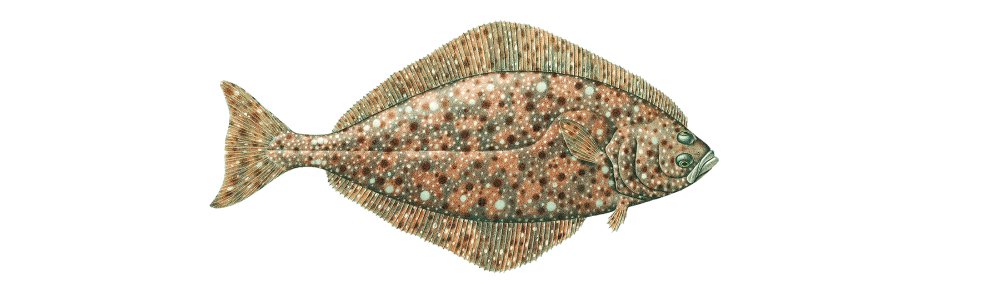
Halibut
Where Halibut Live: Habitat and Range
Halibut are demersal, meaning they live near the bottom, usually on sandy, muddy, or gravel seafloors. They are highly migratory and can be found at depths ranging from 20 feet to over 1,200 feet, depending on the time of year and life stage.
Prime Halibut Regions:
• Alaska (Cook Inlet, Prince William Sound, Kodiak Island, and the Aleutians)
• British Columbia
• Washington and Oregon coastlines
• California (for California halibut)
• New England/North Atlantic (for Atlantic halibut)
Halibut often inhabit continental shelf edges, deep fjords, channels, and flats near structure and bait concentrations.
What Halibut Eat: Opportunistic Bottom Feeders
Halibut are aggressive ambush predators that feed on a variety of bottom-dwelling and mid-water prey, including:
• Herring
• Sculpin
• Sand lance
• Squid
• Octopus
• Crabs and shrimp
• Smaller rockfish or even other flatfish
They use camouflage to blend into the ocean floor, lying in wait for prey to pass by — then explode off the bottom with surprising speed.
✅ Tip: Matching the hatch by using baits or lures that mimic halibut’s natural food sources increases your chances of getting bit.
Halibut Spawning: When and Where
Pacific halibut spawn in deep offshore waters during the winter months, typically from December through February, depending on latitude. Spawning occurs at depths of 600–1,500 feet, far from the coastal areas where most recreational fishing happens.
Halibut don’t spawn until they’re about 8–12 years old and have migrated offshore. This is why many fisheries have slot limits or size restrictions — to protect juvenile and spawning fish.
Best Time of Year to Fish for Halibut
Halibut move inshore during the warmer months to feed, making spring through early fall the best time for recreational fishing.
Prime Halibut Fishing Months (varies by region):
• Alaska & Pacific Northwest: May through September
• California (for California halibut): April through October
• Atlantic Coast: July through October (heavily regulated)
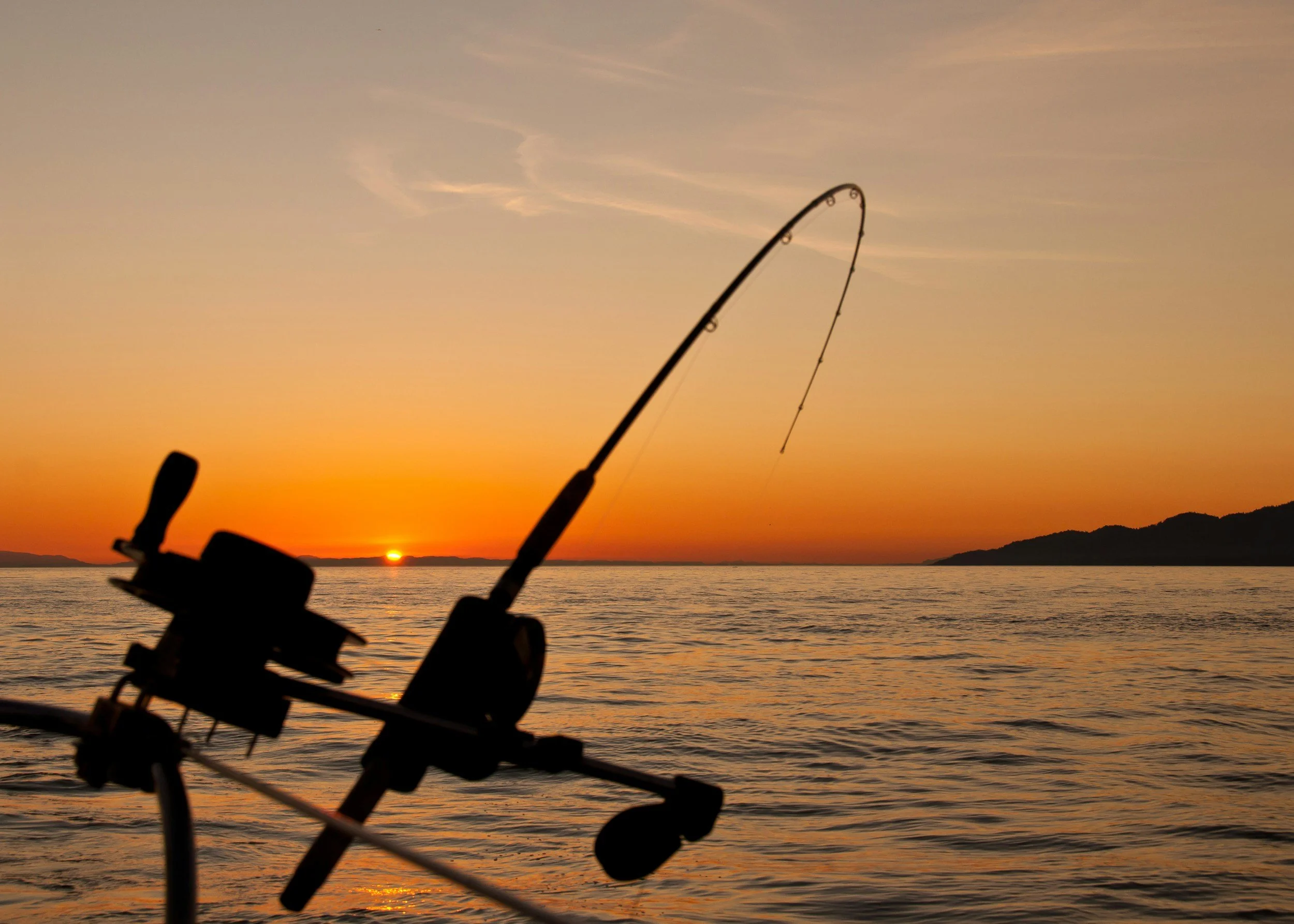
Fishing for Halibut
How to Fish for Halibut: Tactics and Techniques
Halibut fishing is all about getting your bait or lure on the bottom and tempting a bite. Here are the most effective methods:
1. Bottom Bouncing with Bait
One of the most popular and productive ways to catch halibut is to fish bait rigs right on the seafloor using heavy weights (12–32 oz depending on depth and current).
Best baits:
• Herring
• Salmon heads or bellies
• Octopus
• Squid
• Artificial bait strips soaked in scent
Use a sliding sinker rig, spreader bar, or heavy-duty circle hook setup with strong leaders. Halibut often pick up the bait gently before committing, so be patient before setting the hook.
2. Jigging for Halibut
Heavy metal jigs are another deadly way to target halibut, especially in deeper water. Jig them aggressively near the bottom to trigger a strike.
Popular halibut jigs:
• Butterfly jigs
• Pipe jigs
• Lead slab jigs (16–32 oz)
• Glow-in-the-dark jigs for deep water
Add a strip of bait to the hook for added scent and action.
3. Drift Fishing
In areas with current or wind, drift fishing lets you cover ground while keeping your bait near the bottom. Use drift socks or sea anchors to slow your speed. Watch your depth sounder for structure changes, ledges, or bait clouds where halibut may be lying in ambush.
4. Anchor and Chum
Anchoring and using a chum bag can concentrate halibut under the boat. Let your scent trail work over time while presenting baits in the strike zone.
✅ Pro Tips for Success:
• Use braided mainline for better sensitivity and hooksets in deep water
• Keep baits just off the bottom, not buried in it
• Be patient — some halibut tap the bait several times before committing
• Always keep tension on the line when reeling in a halibut to avoid slack
Halibut fishing is an unforgettable adventure that offers huge rewards, both in sport and in table fare. Whether you’re jigging in the icy depths of Alaska or soaking baits off the West Coast, knowing where halibut live, what they eat, and how they behave is key to consistent success.
Thanks for reading this blog post! If you’re a fishing fanatic like me, show your passion by rocking one of the fishing shirts available in my shop. Every purchase helps support my mission to spread the joy of fishing, protect the waters we love, and keep the spirit of the outdoors alive.
Tight lines,
Danny Egan
Egan Fishing
