
How to Fish for Crab Without a Boat: Shore-Based Crabbing Made Simple
You don’t need a boat to catch delicious, wild-caught crab. With a little gear, some strategy, and a tide chart, you can fill a bucket from shore, a dock, or even a rocky jetty. Crabbing from land is a low-cost, accessible way to enjoy fresh seafood and connect with the coast—and it’s fun for anglers of all ages.
Whether you’re after Dungeness, red rock, or blue crab, this guide covers everything you need to get started crabbing without a boat.
What You’ll Need: Shore Crabbing Gear Checklist
You can keep it simple or go all-in, but here’s a solid setup for crabbing from land:
Basic Crabbing Gear:
• Crab snares or crab traps (like box or ring nets)
• Fishing rod (for snares) or rope (for traps)
• Bait (fish heads, chicken, squid, etc.)
• Bucket or cooler with ice or seawater
• Crab gauge/measuring tool (legal size varies by region)
• Gloves (crabs pinch!)
• License or permit (check local regulations)
• Tide chart (crabbing is best around high tide)
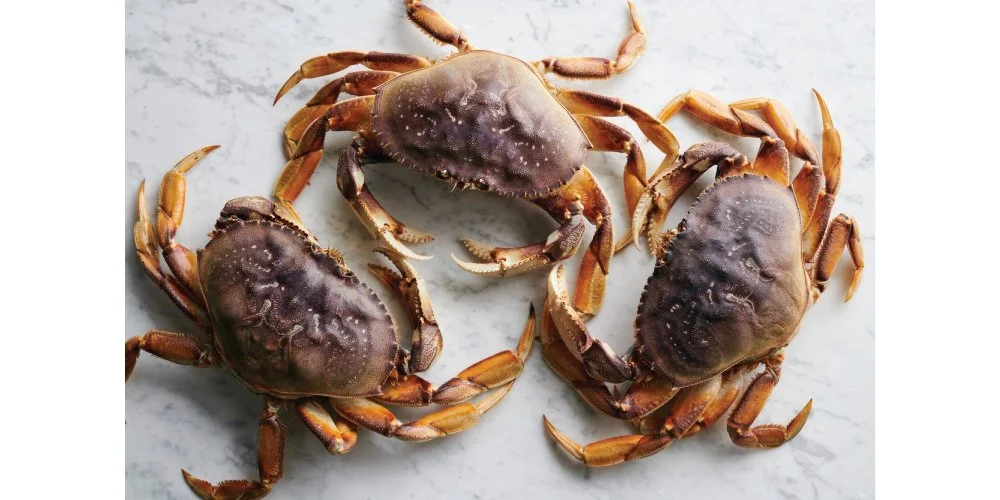
Dungeness Crab
Top Methods for Shore-Based Crabbing
1. Crab Snaring (Using a Rod and Reel)
This method is especially popular for Dungeness crab off piers, jetties, and surf zones.
How It Works:
• Tie a crab snare to the end of your fishing line.
• Bait it with fish scraps, squid, or chicken.
• Cast it out and let it sit on the ocean floor.
• After 5–15 minutes, slowly retrieve. If a crab is inside the snare, the loops will catch on its legs.
Best Locations:
• Ocean beaches with a sandy bottom
• Rock jetties at the mouth of bays
• Piers with crab-friendly structure
✅ Pro Tip: Reel in slowly but steadily. A jerky retrieve can spook the crab and cause it to drop off.
2. Using Throw Nets or Ring Traps
Ideal for calm bays, estuaries, or piers.
How It Works:
• Bait the center of the net or ring trap and secure it.
• Tie a long rope to the trap and toss it off a pier or dock.
• Let it sit for 15–30 minutes.
• Pull up quickly and evenly to prevent escape.
These traps are lightweight, easy to transport, and super effective.
3. Hand-Lining with Rope Traps
A great option for rocky shores and bulkheads where access is limited.
How It Works:
• Use a baited “box trap” or “pyramid trap” with a closing mechanism.
• Drop the trap into the water on a rope.
• After waiting, give it a firm pull to shut the trap and retrieve it.
It’s simple, low-tech, and surprisingly productive.
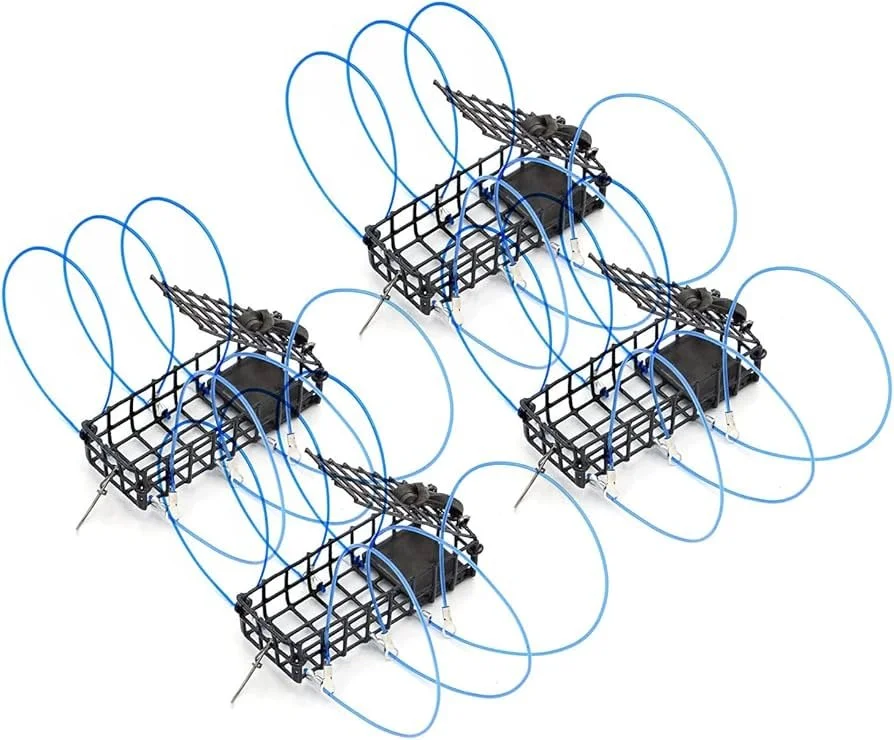
Crab Snare
Best Bait for Crabbing
Crabs are scavengers and aren’t picky, but oily, smelly bait works best. Some top choices:
• Fish heads, carcasses, or mackerel
• Chicken (especially necks or drumsticks)
• Squid or shrimp
• Clams or mussels (crushed)
✅ Tip: Use bait cages or mesh to keep seals, raccoons, and fish from stealing your bait.
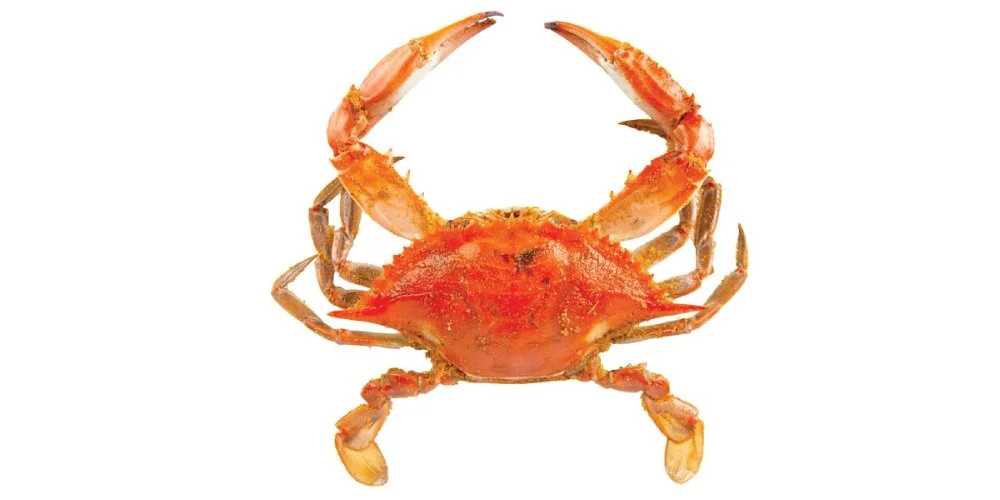
Blue Crab
When and Where to Crab
Timing:
• 2 hours before and after high tide is ideal.
• Crabs move more during tidal changes.
• Early morning or dusk can be productive (and cooler).
Shore-Based Crabbing Hot Spots:
• Public piers
• Jetty walls
• Rocky or sandy shorelines
• Bridges over saltwater inlets
• Marinas or docks with current flow
Always check local rules about where crabbing is legal and what species are in season.
Legal & Ethical Tips
• Know your size and limit regulations. Use a crab gauge!
• Only keep male crabs, if your area requires it.
• Return undersized or soft-shell crabs carefully.
• Dispose of bait and trash responsibly.
Sustainable crabbing helps ensure future harvests for everyone.
Crabbing without a boat is affordable, accessible, and surprisingly effective. With a few traps or snares, some good bait, and a little patience, you can enjoy fresh-caught crab straight from the shore. It’s a great way to get outside, bring home dinner, and make lasting memories with friends or family.
Thanks for reading this blog post! If you’re a fishing fanatic like me, show your passion by rocking one of the fishing shirts available in my shop. Every purchase helps support my mission to spread the joy of fishing, protect the waters we love, and keep the spirit of the outdoors alive.
Tight lines,
Danny Egan
Egan Fishing
