
The Essential Guide to Dry Flies: Mayflies, Caddis, Stoneflies, Midges & Terrestrials
When it comes to the art of fly fishing, few things are more satisfying than watching a trout rise to sip a dry fly off the surface. But to consistently catch fish on top, you’ve got to match the hatch—understanding the types of insects trout feed on, their seasonal availability, and how to present them effectively.
This guide breaks down the five main categories of dry flies: mayflies, caddisflies, stoneflies, midges, and terrestrials. We’ll also cover essential patterns, sizing, and basic fishing tips so you’re always ready when the fish are looking up.
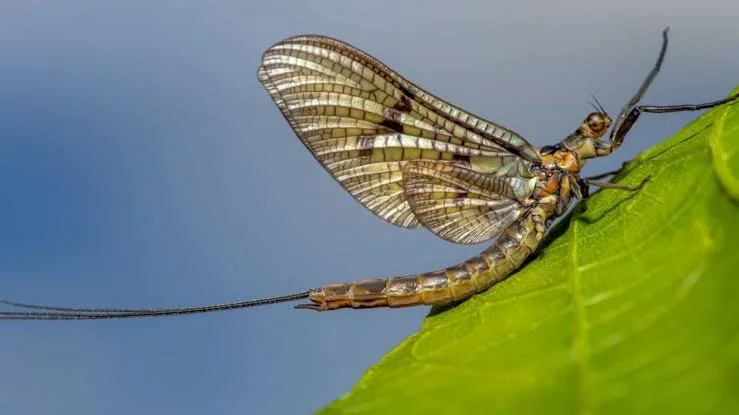
1. Mayflies
When They Hatch:
• Early spring to late fall
• Peak hatches in spring and fall
• Some species (e.g., Blue Winged Olives) hatch on overcast winter days
Sizes:
• 12–22 depending on species
• Common sizes: 14–18
Essential Patterns:
• Parachute Adams (generalist/attractor)
• Blue Winged Olive (BWO)
• Pale Morning Dun (PMD)
• Hendrickson
• Comparadun
How to Fish Them:
Present mayflies with a drag-free drift. Use light tippet (5x–6x), cast upstream or quartered across, and watch the rise forms. Mayflies typically land gently and drift naturally, so your presentation should match that.
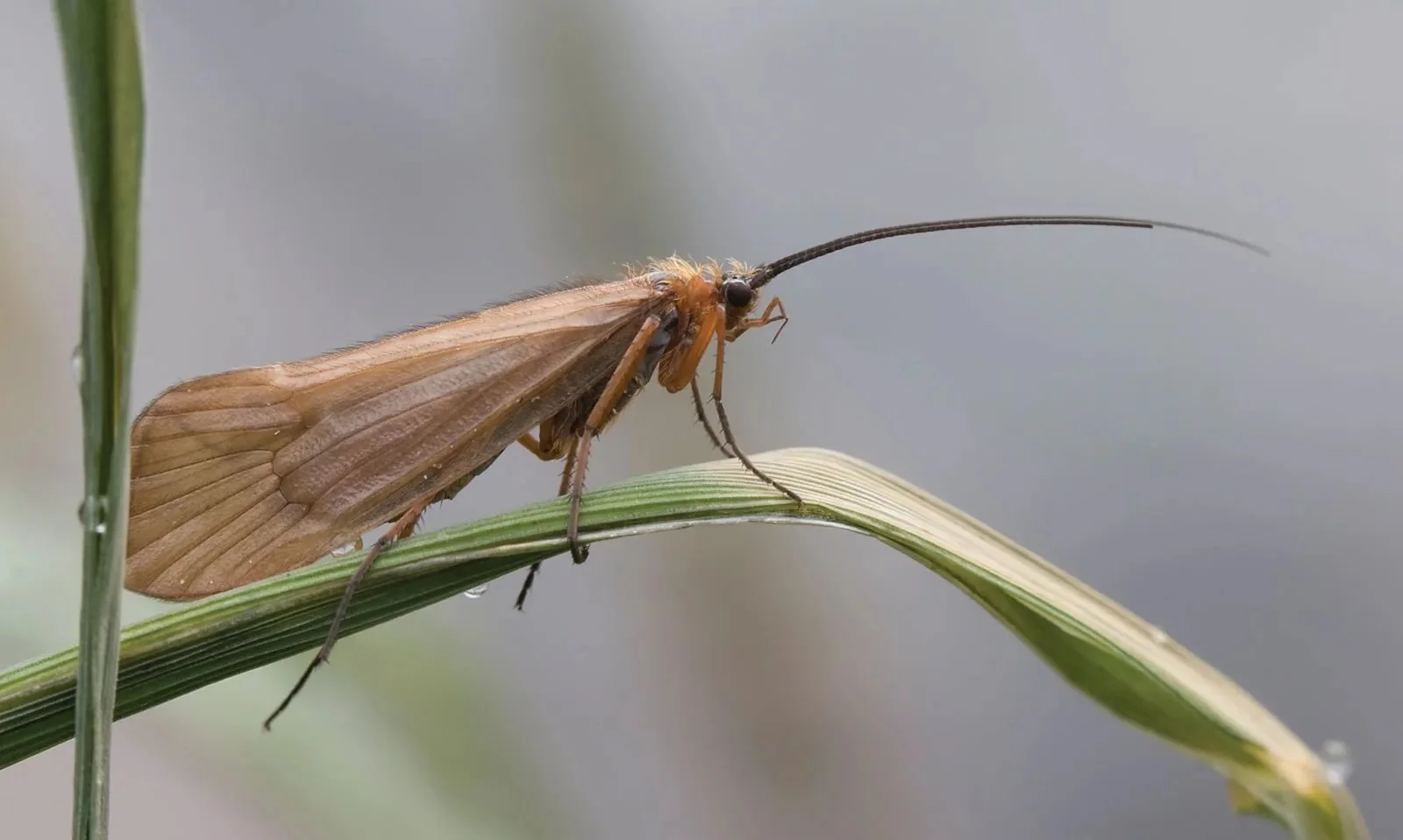
2. Caddisflies
When They Hatch:
• Late spring through summer
• Especially active in the evenings
• Warmer temps = more action
Sizes:
• 12–18
• Common size: 14
Essential Patterns:
• Elk Hair Caddis (great for fast water)
• X-Caddis
• Goddard Caddis
• CDC Caddis
• Tan, olive, and black are top colors
How to Fish Them:
Caddisflies are erratic fliers. Let them skitter or skate slightly across the surface—especially during active hatches. A twitch or quick mend can trigger strikes.
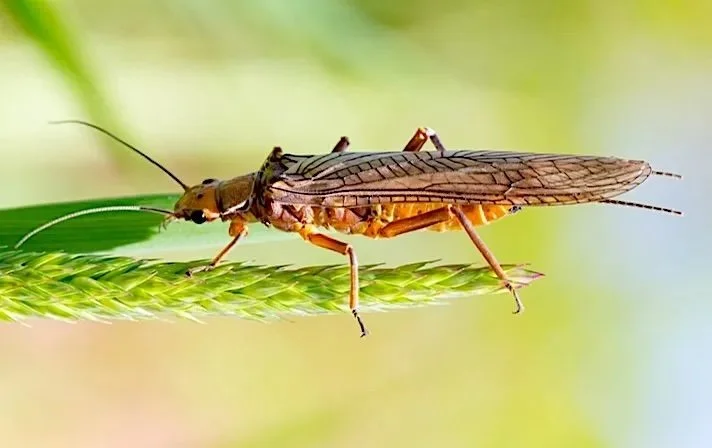
3. Stoneflies
When They Hatch:
• Late spring through early summer
• Big hatches in May–July (varies by region)
• Salmonflies and golden stoneflies often signal the start of dry fly season
Sizes:
• 6–12
• Big bugs = big trout
Essential Patterns:
• Stimulator (versatile attractor)
• Chubby Chernobyl
• Yellow Sally
• Rogue Stone
How to Fish Them:
Fish stoneflies tight to banks and structure, especially early morning and evening. They’re clumsy and often crash land—don’t be afraid to splat them on the water. Use heavier tippet (3x–4x) due to fly size and aggressive takes.
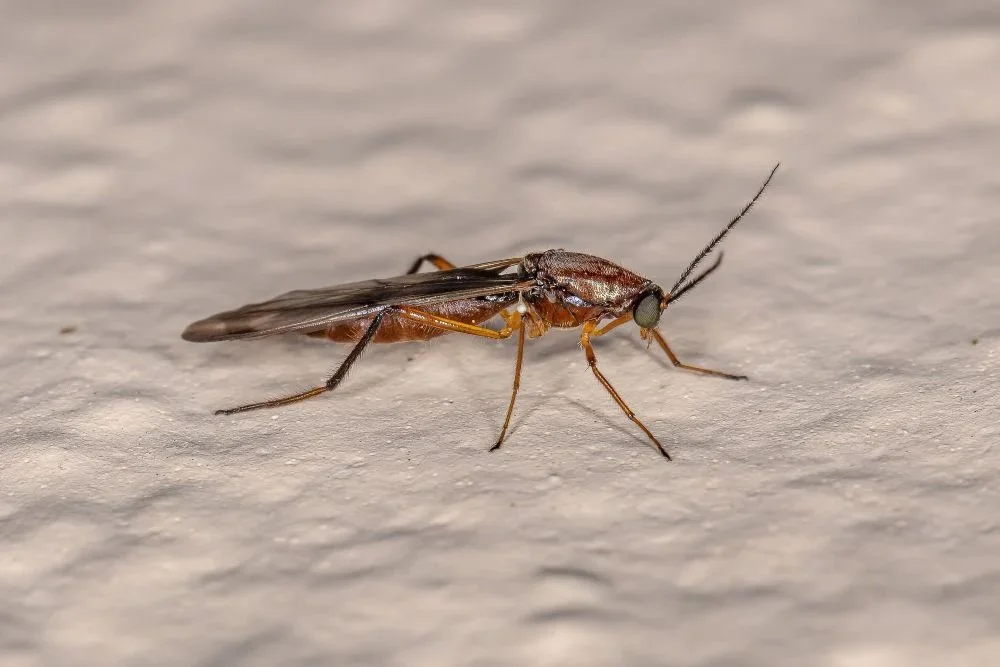
4. Midges
When They Hatch:
• Year-round
• Especially in winter and early spring
• Most active during calm, overcast days
Sizes:
• 18–26
• Tiny but effective
Essential Patterns:
• Griffith’s Gnat
• Renegade
• CDC Midge
• Cluster Midge
How to Fish Them:
Use ultra-fine tippet (6x–7x) and delicate presentations. Midges are often clustered, so a small clump or midge cluster pattern can outfish single flies. Target slow, glassy water and watch for subtle rises.
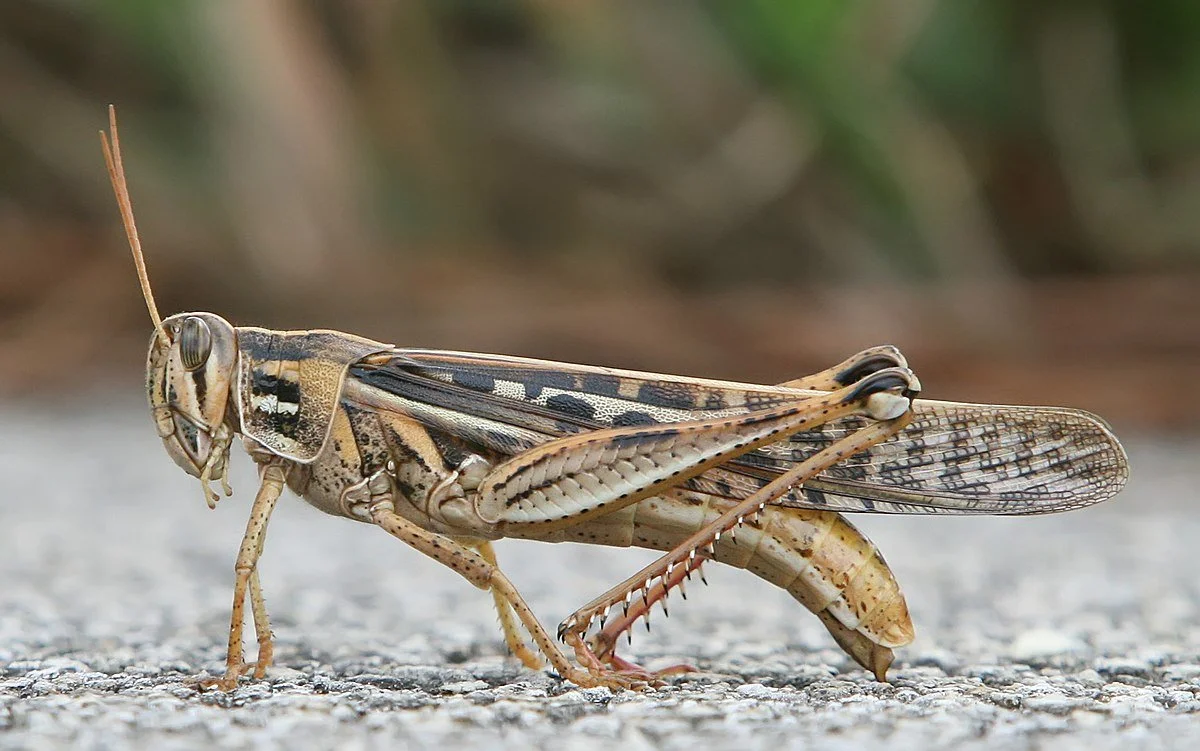
5. Terrestrials
When They’re Active:
• Late spring through early fall
• Peak in summer (June–September)
• Especially effective in windy or hot days when bugs fall into the water
Sizes:
• 8–16
• Think big food = big reward
Essential Patterns:
• Hopper (foam or deer hair)
• Ant (black or cinnamon)
• Beetle (foam body)
• Fat Albert
• Chernobyl Ant
How to Fish Them:
Terrestrials work great along undercut banks, grassy edges, and anywhere overhanging vegetation exists. Let them drift close to structure with occasional twitches to mimic struggling insects. They’re also killer in hopper-dropper rigs.
Final Tips: How to Fish Dry Flies Successfully
1. Match the hatch: Observe what’s in the air or on the water before tying on. Look at size, color, and behavior.
2. Use long leaders and light tippet: Especially in clear, calm water.
3. Avoid drag: Mending and positioning your cast is key. A natural drift fools more fish.
4. Watch the rise: Subtle sips usually mean midges or small mayflies; splashy rises often signal caddis or hoppers.
5. Time it right: Fish dry flies in the early morning and late evening for the best surface activity, though mid-day terrestrials are an exception.
Wrap-Up
Dry fly fishing is both an art and a science—and knowing which bugs are on the menu is half the battle. Whether it’s a tiny midge in January or a size 8 hopper in July, having a seasonal game plan and essential patterns ready will help you make the most of every hatch.
Thanks for reading this blog post! If you’re a fishing fanatic like me, show your passion by rocking one of the fishing shirts available in my shop. Every purchase helps support my mission to spread the joy of fishing, protect the waters we love, and keep the spirit of the outdoors alive.
Tight lines,
Danny Egan
Egan Fishing
dry fly fishing, mayfly hatches, caddis dry fly, stonefly patterns, terrestrial flies, fly fishing basics, dry fly sizes, match the hatch, fly fishing seasons, best dry flies for trout, topwater trout fishing
