
The Best Spinners for Trout: Colors, Brands, and Tactics That Get Results
When it comes to targeting trout—whether wild browns in freestone creeks or stocked rainbows in stillwater reservoirs—few lures match the reliability and effectiveness of the humble spinner. Lightweight, versatile, and deadly in the hands of a patient angler, spinners remain a staple in tackle boxes for good reason. Their ability to imitate baitfish and trigger reaction strikes through flash and vibration makes them irresistible to opportunistic trout. But not all spinners are created equal, and knowing which types, brands, and colors to use—and how to fish them—can make all the difference between a slow day and a banner outing.
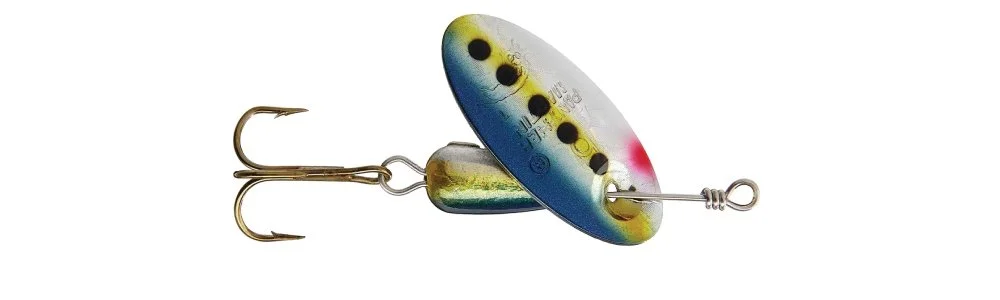
Panther Martin Spinner
Panther Martin
Among the most trusted names in the spinner game is Panther Martin. Known for its signature convex blade and weighted body, the Panther Martin delivers a distinct thump that travels through current and into the lateral lines of feeding trout. The gold and black dot pattern is especially effective in stained or fast-moving water, where flash and vibration help the fish locate the lure. Panther Martins shine when fished across riffles or swung through deeper runs, and their ability to stay down in the strike zone sets them apart.
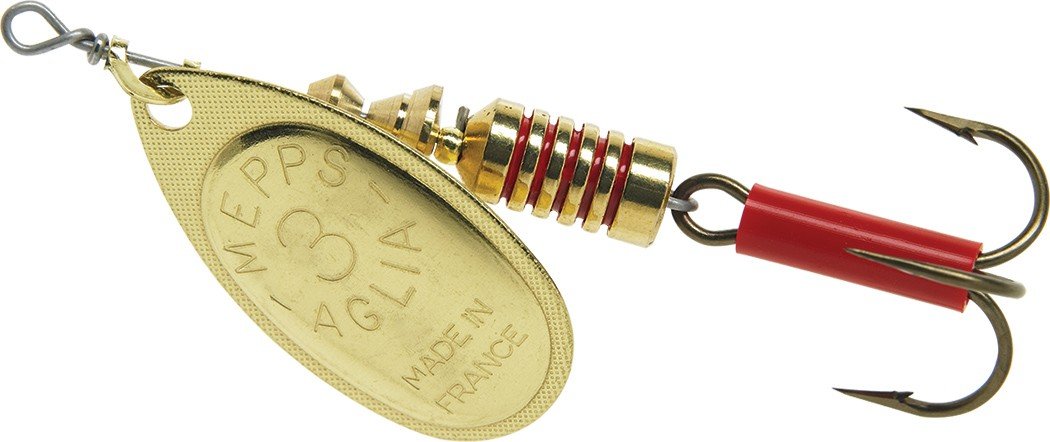
Mepps Aglia Spinner
Mepps Aglia
Equally iconic is the Mepps Aglia, a French spinner that’s been fooling fish since the post-war era. Its classic in-line blade spins on the retrieve, reflecting light and mimicking the flutter of a small baitfish or aquatic insect. Silver is often the go-to color in clear water on bright days, while copper or black blades perform better in overcast conditions or tannic streams. Mepps spinners are ideal for slow, steady retrieves in lakes or deeper pools, where trout can watch and commit without the distraction of turbulent current.
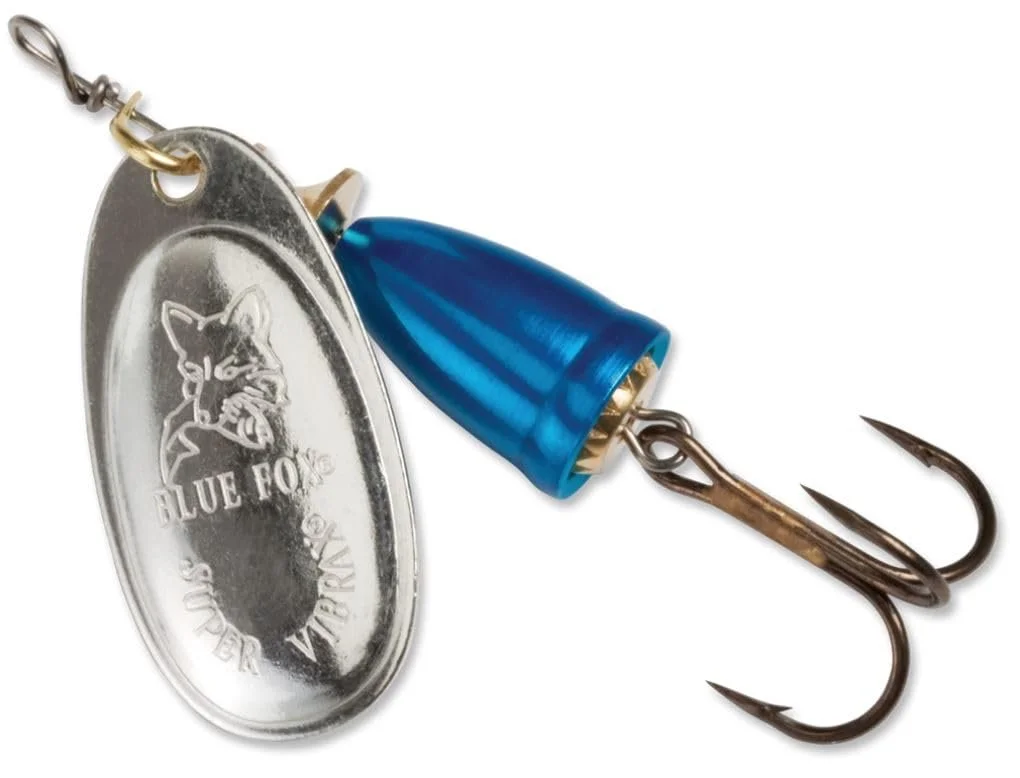
Blue Fox Vibrax Spinner
Blue Fox Vibrax
Blue Fox Vibrax spinners offer a slightly different profile. Their internal rattle and offset blade reduce line twist while adding a subtle sonic element that can turn passive fish into aggressive strikers. The gold and firetiger patterns are popular among anglers chasing stocked rainbows, especially in stillwater settings. The Vibrax’s ability to cover water quickly makes it a powerful search bait when you’re looking to locate active fish.
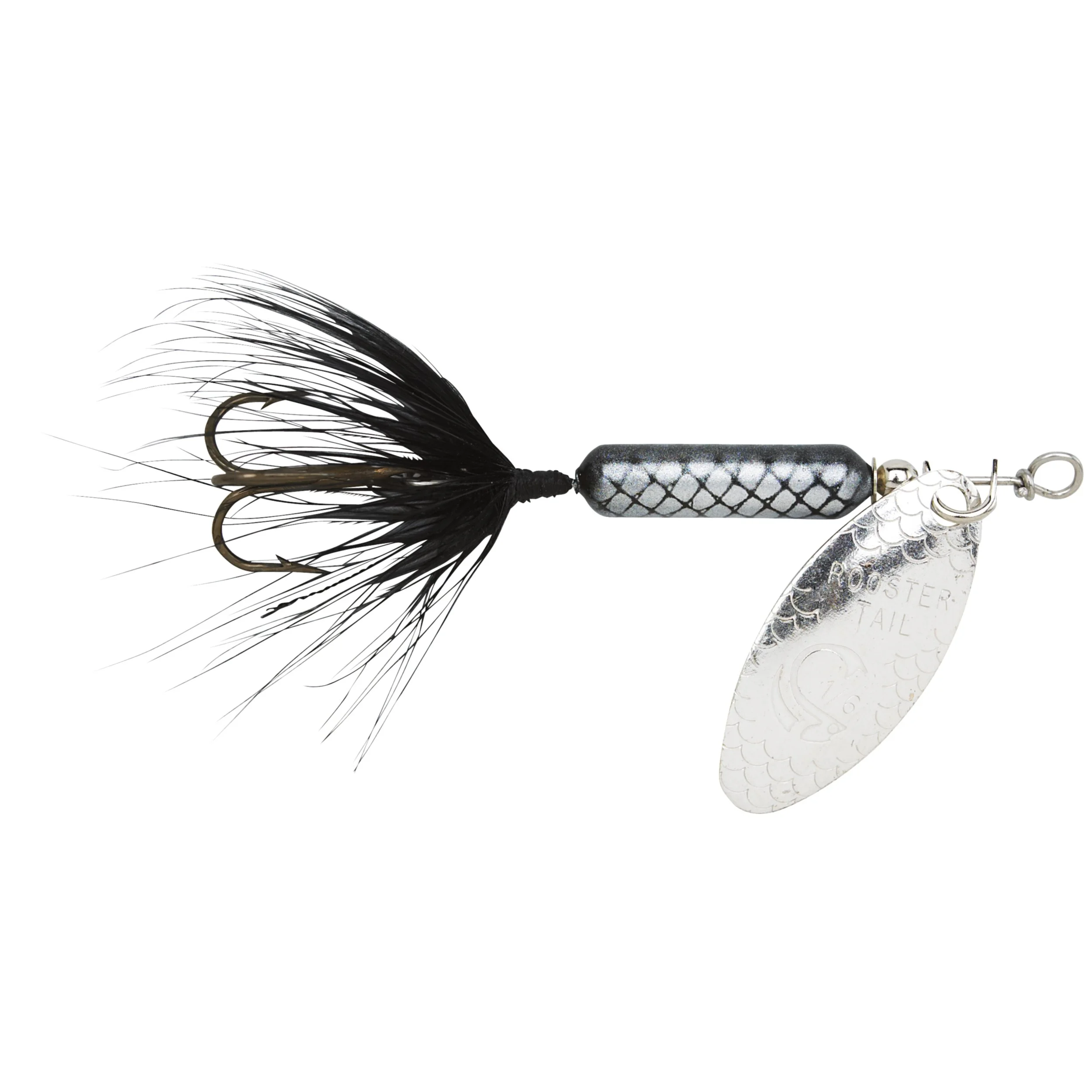
Rooster Tail Spinner
Rooster Tail
Another standout in the world of trout spinners is the Rooster Tail by Yakima Bait. Recognizable by its pulsating hackle tail and elongated blade, the Rooster Tail has an enticing underwater signature that combines flash, vibration, and motion. It’s especially effective in slower-moving rivers and lakes where trout have more time to inspect a lure. The tail, which flutters behind the rotating blade, mimics the motion of aquatic insects and minnows, making it a great choice during hatches or when trout are feeding near the surface. Color-wise, the black body with a gold blade is a longtime favorite, but the rainbow trout pattern is particularly deadly when casting near stocked fish.
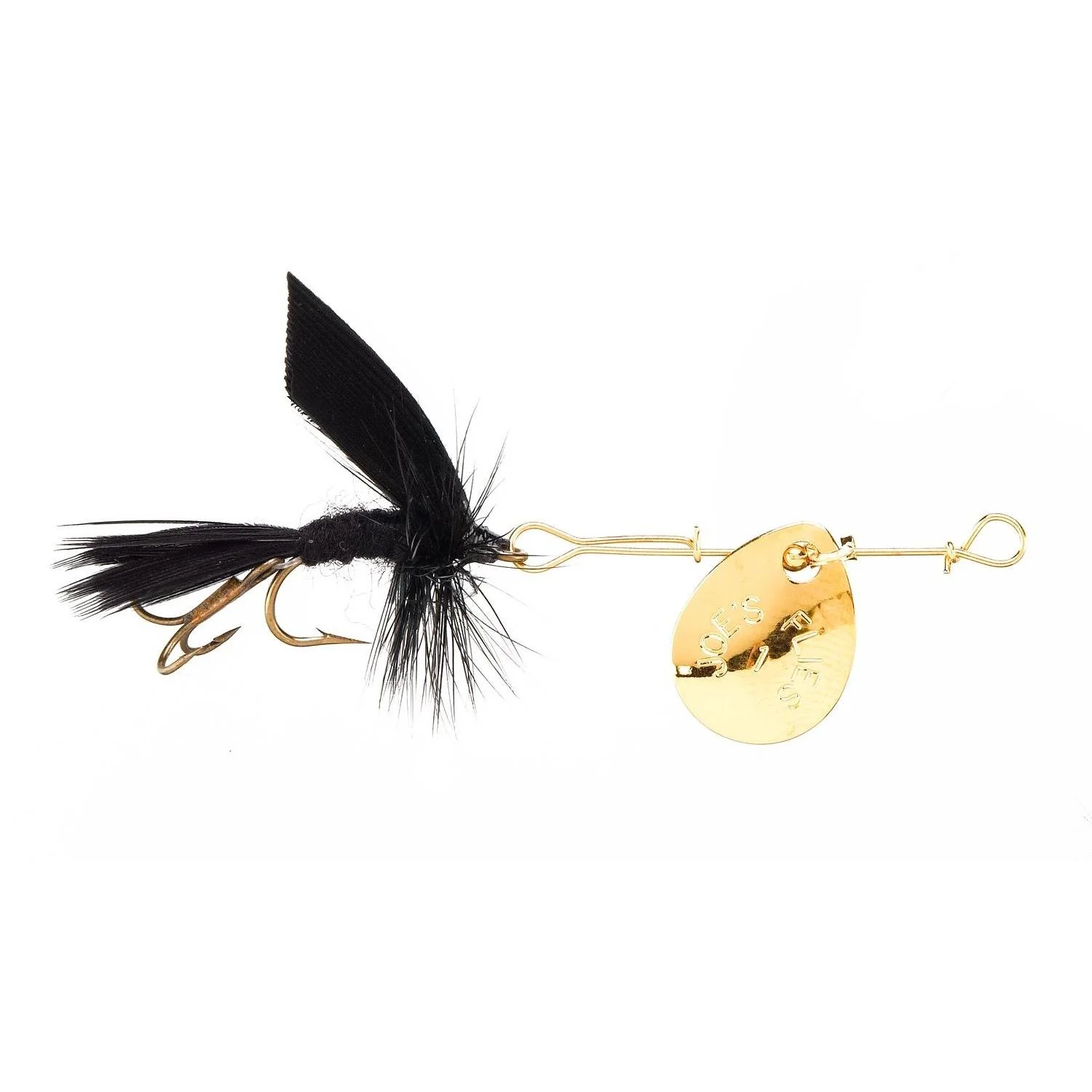
Joe’s Flies Short Striker Spinner
Joe’s Flies Short Striker
Then there’s the Joe’s Flies Short Striker, a hybrid between a fly and a spinner. This unique lure features a spinning blade attached to a hand-tied fly and often includes a trailing treble hook to catch short-striking fish. It’s a killer choice on finicky trout, particularly in clear mountain streams or during insect hatches when traditional spinners might be too bold. The black gnat and coachman patterns work well when trout are dialed in on natural bugs but still willing to chase a moving target.
Color selection is part science, part art. Natural colors like silver, gold, and bronze tend to imitate minnows or small fish and are consistent producers in a variety of conditions. On the other end of the spectrum, bright colors—fluorescent pinks, oranges, and chartreuse—excel in murky water or when targeting stocked fish that may respond to more visual triggers. A red-dot blade on a gold body can often do wonders during early spring or after a rain when water clarity drops.
As for technique, the key to spinner fishing lies in controlling depth and speed. A slow, steady retrieve keeps the blade spinning and the lure in the strike zone longer. Trout, especially in rivers, tend to face upstream and wait for food to come to them, so casting slightly upstream and retrieving through the current brings the spinner right to their noses. In stillwater, varying your retrieval speed or incorporating occasional twitches can imitate a wounded baitfish and provoke a more aggressive response.
Ultimately, the best spinner is the one that matches the water you’re fishing, the conditions you face, and the trout you’re after. Whether you’re working a high-country stream or a lowland lake, spinners offer a dynamic, active way to connect with fish. By understanding how they work and experimenting with different brands and colors, you give yourself the upper hand—and more importantly, the thrill of watching that rod bend with the unmistakable pull of a trout on the line.
Thanks for reading this blog post! If you’re a fishing fanatic like me, show your passion by rocking one of the fishing shirts available in my shop. Every purchase helps support my mission to spread the joy of fishing, protect the waters we love, and keep the spirit of the outdoors alive.
Tight lines,
Danny Egan
Egan Fishing
