
Fishing for Striped Bass in the San Francisco Bay: A Local’s Guide to Hooking Linesiders
The San Francisco Bay is one of California’s most iconic fisheries, and at the heart of its salt-and-brackish waters swims one of the most accessible and hard-fighting sportfish around: the striped bass. Known for their aggressive strikes, broad shoulders, and willingness to eat a variety of baits, stripers are a favorite target for anglers of all levels.
Whether you’re fishing from shore, kayak, or boat, here’s everything you need to know about when, where, and how to fish for striped bass in the Bay.
What Are Striped Bass?
Striped bass (Morone saxatilis) are an anadromous species, meaning they migrate between saltwater and freshwater. In California, stripers were introduced from the East Coast in the late 1800s and have since established a strong population throughout the Delta, rivers, and the Bay.
These fish are aggressive feeders, especially during migration periods, and can grow large—some reaching over 40 pounds in the Bay.
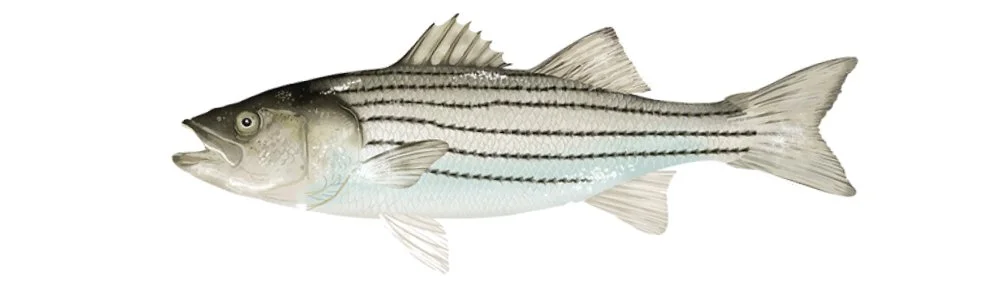
Stripped Bass Fishing
When Are Striped Bass in the San Francisco Bay?
Stripers can be caught year-round, but spring and fall are peak times in the Bay due to migration patterns and baitfish movement.
Best Seasons:
• Spring (March–June): Stripers move in from the ocean and start staging in the Bay before heading upriver to spawn.
• Fall (September–November): Post-spawn fish return to the Bay and feed aggressively to bulk up before winter.
• Winter (December–February): Some fish overwinter in the Bay, but activity slows and the bite gets tougher.
• Summer (July–August): Stripers move further into the Delta, but early mornings or night fishing can still produce in the Bay.
Where to Fish for Stripers in the Bay
Striped bass are roamers, often following schools of baitfish like anchovies, smelt, and shad. In the Bay, they are commonly found around structure, current breaks, and tidal rips.
Top Shore Fishing Spots:
• Fort Point (near the Golden Gate Bridge)
• Candlestick Point
• Berkeley and Point Isabel shorelines
• San Mateo Bridge and Coyote Point
• Crissy Field and Ocean Beach (especially during outgoing tides)
From a Boat or Kayak:
• Alameda Rockwall
• Richmond and Oakland shipping channels
• San Pablo Bay
• Around Treasure Island and the South Bay shoals
• Carquinez Strait (transitional spot into the Delta)
Look for birds working the surface, nervous bait, or rip lines where bait is pushed together. Stripers love ambushing prey in these areas.

Fishinf For Stripped Bass In The San Francisco Bay
Tactics for Catching Striped Bass in the Bay
Stripers are versatile, so you can catch them with live bait, artificial lures, or fly gear depending on your style and conditions.
1. Live Bait Fishing
Best For: Consistent action and big fish
Top Baits:
• Anchovies (live or fresh dead)
• Shiners
• Mudsuckers
• Ghost shrimp
Rigging Tips:
• Use a sliding sinker or Carolina rig for fishing near bottom in channels or piers.
• Use a float or bobber setup when fishing around structure or flats during a moving tide.
2. Artificial Lures
Best For: Covering water and active stripers
Top Lures:
• Topwater plugs (Pencil Poppers, Spooks) for dawn/dusk action
• Swimbaits (Keitech, Big Hammer, or Savage Gear) in baitfish colors
• Soft plastics on jigheads (3–6” paddle tails)
• Bucktail jigs for vertical jigging near piers or bridges
• Spoons like Kastmasters or Little Cleos in tidal rips
Retrieve Tips:
• Vary your retrieve speed and add twitches or pauses.
• Use faster retrieves in warmer water and slower, more deliberate movements in cooler months.
3. Fly Fishing
Best For: Challenging fun and sight-fishing
Ideal Gear:
• 8–9 weight rods with intermediate sinking line
• Baitfish patterns like Clouser Minnows, Deceivers, and EP flies
• Focus on flats, estuaries, and points with tidal flow
🌊 Tides and Timing
Tide is critical for striper fishing in the Bay. Moving water = active fish.
• Incoming tides often bring baitfish closer to shore and into the Bay.
• Outgoing tides pull bait through choke points, creating ambush zones.
• Fish low light hours—early morning, dusk, and even night—especially on calm days.
🧠 Tips for Success
• Watch the birds. Diving gulls or pelicans are the best indicator of bait and feeding stripers.
• Use fluorocarbon leader. It’s abrasion-resistant and invisible in clear Bay water.
• Match the hatch. Use lure colors and sizes that mimic local baitfish.
• Fish light tackle with heavy line. Stripers fight hard—braid with a fluorocarbon leader gives power and finesse.
• Be mobile. If you’re not getting bites in 20–30 minutes, move and cover more ground or water.
Fishing for striped bass in the San Francisco Bay is both a challenge and a reward. With tides that move like clockwork and a backdrop like no other, the Bay offers anglers a chance to tie into one of California’s most iconic gamefish in waters rich with history and salt.
From tossing topwaters near Crissy Field to drifting bait in the shadows of the Bay Bridge, the opportunities are endless. Respect the tides, follow the bait, and keep your drag set just right—because when that striper hits, you’ll know.
Thanks for reading this blog post! If you’re a fishing fanatic like me, show your passion by rocking one of the fishing shirts available in my shop. Every purchase helps support my mission to spread the joy of fishing, protect the waters we love, and keep the spirit of the outdoors alive.
Tight lines,
Danny Egan
Egan Fishing
