
How to Troll for Kokanee Salmon and Trout: Gear, Techniques, and Tactics for Success
Trolling for kokanee salmon and trout is one of the most effective and exciting ways to fill your cooler and enjoy action-packed days on the lake. Whether you’re chasing hard-fighting kokanee in the summer or fat rainbows in early spring, trolling allows you to cover water, dial in on active fish, and fine-tune your presentation with precision.
This guide breaks down everything you need to get started—or sharpen your approach—including gear, techniques, trolling setups, and best practices.
What Are Kokanee?
Kokanee salmon are the landlocked version of sockeye salmon. They spend their entire lives in freshwater and are prized for their aggressive strikes, strong fights, and excellent table fare. They typically range from 10 to 18 inches, with some lakes producing trophy fish over 20 inches.
Kokanee are often found in the same waters as rainbow trout, making them a common double-target for trolling anglers.
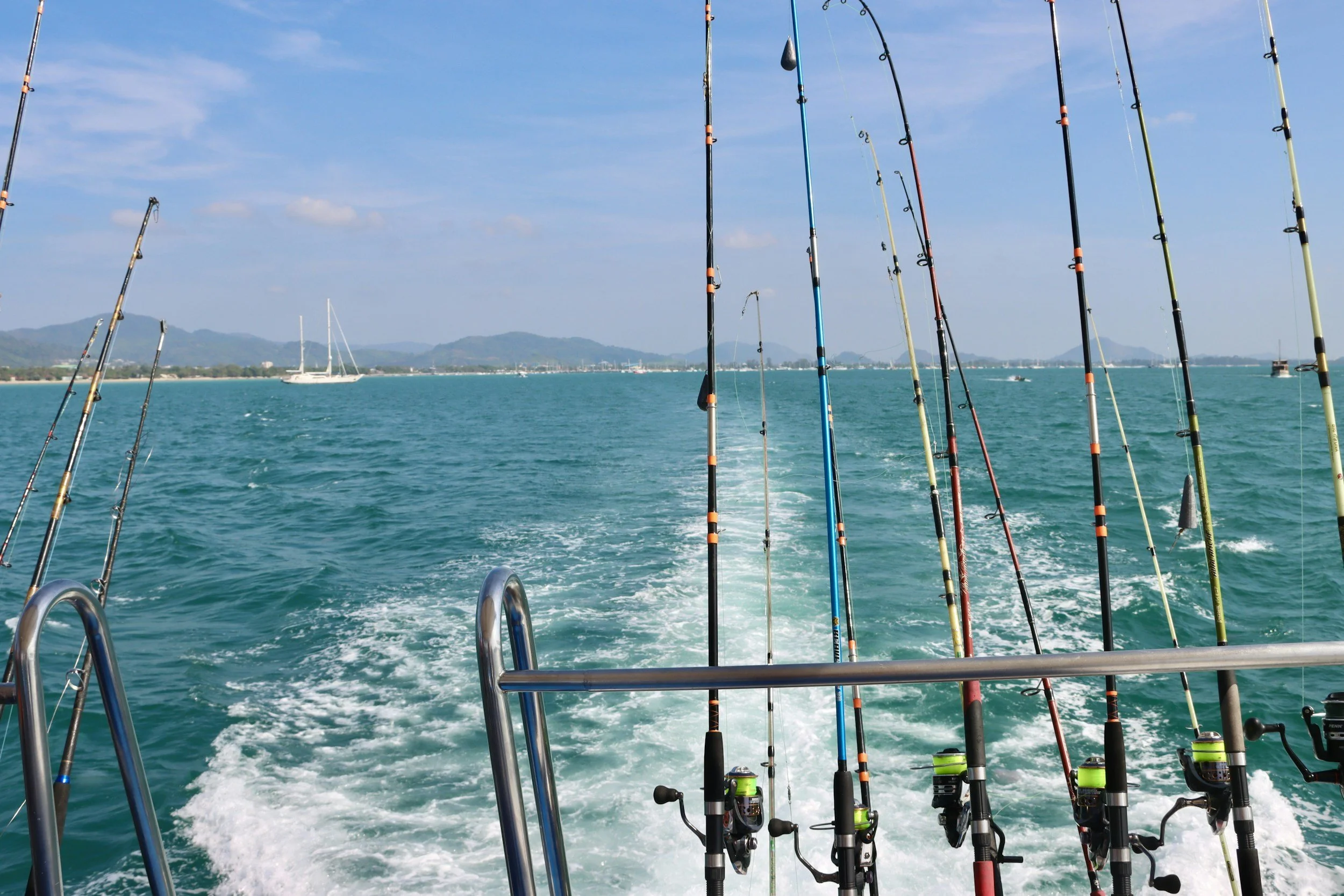
Trolling For Kokanee
Essential Gear for Trolling Kokanee and Trout
Rods & Reels
• Medium-light to light-action rods, 7–8.5 feet
• Line-counter reels are ideal for precise depth control
• Spinning reels work too, especially for flat-line trolling
Line
• 6–12 lb monofilament or fluorocarbon for trout
• 8–10 lb fluorocarbon or braid with a fluoro leader for kokanee
Terminal Tackle
• Dodgers and flashers (4–6 inches) to create action and attract fish
• Trolling lures like:
• Wedding Rings
• Hoochies
• Spinner rigs
• Small plugs (e.g., Flatfish, Rapala)
• Hooks: Small, sharp octopus-style or tandem hook rigs (especially for kokanee)
• Corn or scent (kokanee love sweet scents like garlic, anise, and shrimp)
Depth Control
• Downriggers (for deep lakes and summer trolling)
• Leadcore line (color-coded for depth tracking)
• Inline weights (1–3 oz) for shallower trolling
Trolling Techniques for Kokanee and Trout
1. Flat-Line Trolling
Great for early morning or cooler water temps when fish are near the surface.
• Use a small dodger and spinner or hoochie rig
• Let out 75–100 feet of line
• Troll at 1.2–1.8 mph for trout; 1.0–1.4 mph for kokanee
✅ Best in spring or at first light
2. Leadcore Line Trolling
A great intermediate-depth solution without a downrigger.
• Use color-coded leadcore line (each color = 10 feet)
• Let out 2–5 colors depending on depth
• Use a short fluorocarbon leader (6–10 lb test)
✅ Great for summer kokanee holding 20–50 feet down
3. Downrigger Trolling
The most precise method for targeting deep fish.
• Use clip-release downriggers to run gear at exact depths
• Pair with dodgers and lure rigs
• Adjust depth based on sonar or fish activity
✅ Best in midsummer when kokanee are deep (40–80 feet)
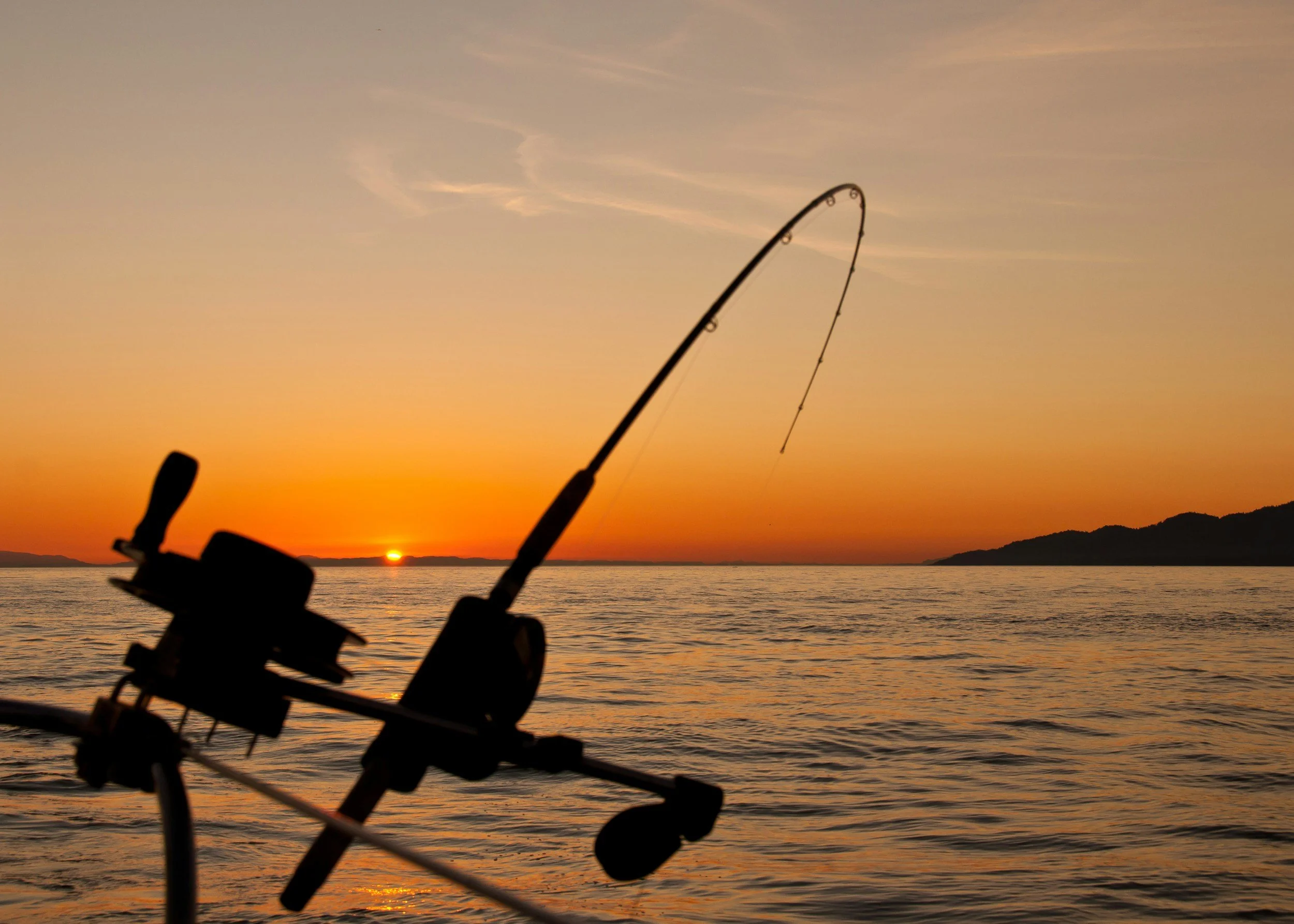
Trolling For Kokanee
Tactics for Success
Watch Your Speed
• Trout prefer 1.5–2.0 mph
• Kokanee strike better at 1.0–1.4 mph
• Use a GPS or speed indicator to stay consistent
Add Scent & Bait
• Tip hooks with white shoepeg corn soaked in garlic, tuna oil, anise, or krill scent
• For trout, try worms, PowerBait nuggets, or maggots
Vary Your Depth
• Use sonar or trial and error
• Fish will suspend at specific thermoclines or follow bait schools
Change It Up
• If you’re not getting bit, change:
• Lure color
• Flasher size
• Leader length
• Speed
• Depth
✅ Sometimes a tiny adjustment makes all the difference.
Best Time and Places to Troll
• Spring: Fish are shallow, use flat lines and long leaders
• Summer: Fish go deep, use leadcore or downriggers
• Fall: Fish move up in the water column before spawning
Prime Times:
• Early morning is usually best
• Cloudy days can extend the bite window
• Evening is a close second to dawn
Top Locations:
• Mountain lakes with stocked trout and kokanee populations
• Deep reservoirs with cold water and bait schools
• Drop-offs, points, and thermocline edges
Trolling for kokanee salmon and trout combines precision with exploration. It’s a dynamic, active way to fish—and when you dial it in, the action can be nonstop. With the right gear, attention to detail, and a willingness to experiment, you’ll be hooking up in no time.
Thanks for reading this blog post! If you’re a fishing fanatic like me, show your passion by rocking one of the fishing shirts available in my shop. Every purchase helps support my mission to spread the joy of fishing, protect the waters we love, and keep the spirit of the outdoors alive.
Tight lines,
Danny Egan
Egan Fishing
