
The Complete Guide to Fishing Swivels: Types, Sizes, and When to Use Them
Swivels might be one of the smallest items in your tackle box, but they play a crucial role in many fishing setups. Whether you’re trolling, casting, or bottom fishing, using the right swivel can reduce line twist, improve bait presentation, and make rigging faster and easier.
This guide breaks down the main types of fishing swivels, their advantages and disadvantages, and how to choose the right size and style for your next trip.
What Is a Fishing Swivel?
A swivel is a small metal device that connects two parts of your fishing line or rig and allows them to spin independently. This helps:
• Prevent line twist
• Make quick rig or lure changes
• Reduce wear and tangles
Swivels are typically made of stainless steel, brass, or coated metals, and come in a range of sizes (the higher the number, the smaller the swivel).
Common Types of Fishing Swivels
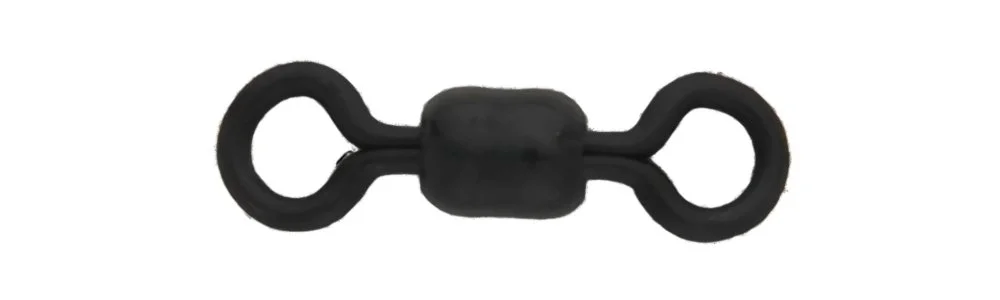
Barrel Swivel
1. Barrel Swivel
Description:
A classic swivel with two rounded eyes on each end and a central barrel that allows limited rotation.
Best Use:
General-purpose fishing, bait rigs, trolling, and live bait setups.
Pros:
• Affordable and widely available
• Helps prevent moderate line twist
• Easy to use
Cons:
• Doesn’t spin as freely under pressure as other types
• Can wear out faster under heavy loads
Common Sizes & Use:
• Size 10–14 for panfish and trout
• Size 6–8 for bass and walleye
• Size 1–4 for catfish, pike, or saltwater species
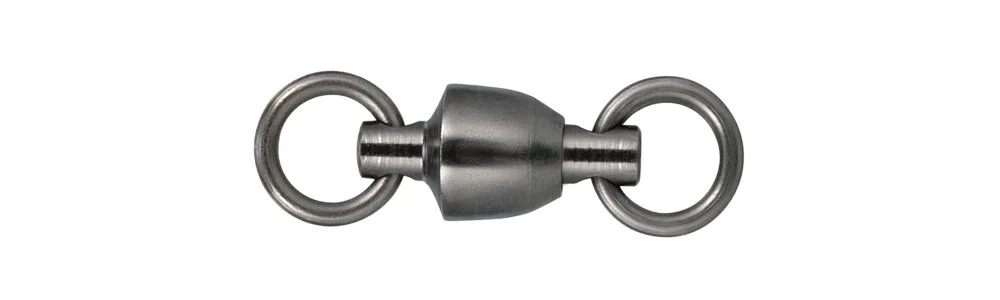
Ball Bearing Swivel
2. Ball Bearing Swivel
Description:
A high-performance swivel that contains internal ball bearings, allowing smooth rotation under heavy tension.
Best Use:
Trolling, saltwater fishing, or when using lures that spin (like spoons or spinners).
Pros:
• Superior twist prevention
• Smooth, strong, and durable
• Ideal for high-speed or heavy-load situations
Cons:
• More expensive
• Bulkier than barrel swivels
Common Sizes & Use:
• Use smaller sizes (8–12) for trout/kokanee trolling
• Larger sizes (2–6) for offshore and big game fishing
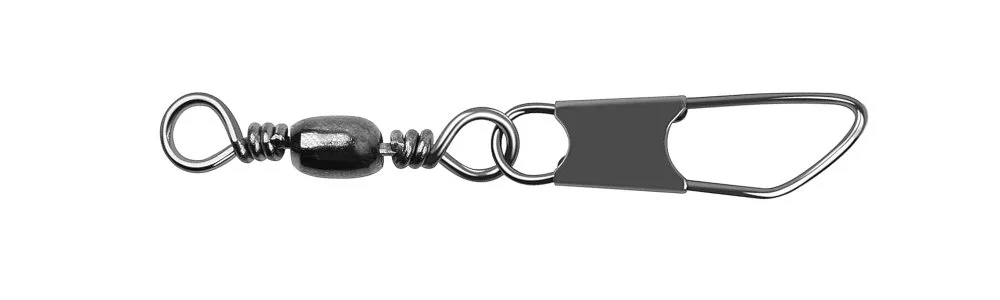
Snap Swivel
3. Snap Swivel
Description:
A barrel or ball-bearing swivel with an attached snap clip for quick lure or rig changes.
Best Use:
Frequent lure swapping, trolling, or fishing with inline spinners.
Pros:
• Fast and easy to switch lures
• Saves time when testing different colors or styles
• Reduces knot-tying in cold or wet conditions
Cons:
• Can weaken the connection point
• Snap can open under pressure or wear out
• May spook fish in clear water due to bulk
Common Sizes & Use:
• Size 10–14 for ultralight and trout
• Size 6–8 for bass, walleye
• Size 1–4 for trolling or saltwater

Three-Way Swivel
4. Three-Way Swivel
Description:
A swivel with three rings: one for the main line, one for the leader or hook, and one for a dropper (usually with weight).
Best Use:
Bottom fishing, surf fishing, or drifting bait rigs.
Pros:
• Keeps bait off the bottom
• Great for multiple hook/dropper setups
• Reduces tangling when using weight and bait
Cons:
• More knots = more failure points
• Can tangle if improperly rigged
Common Sizes & Use:
• Use Size 6–10 for freshwater bottom rigs
• Size 1–4 for surf, catfish, or saltwater dropper rigs
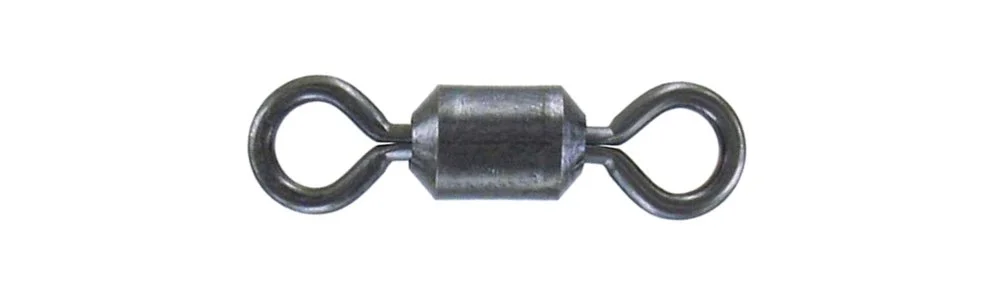
Rolling Swivel
5. Rolling Swivel
Description:
Similar to a barrel swivel but designed for smoother rolling action and slightly better twist prevention.
Best Use:
Inline spinners, rigs that spin, or finesse setups
Pros:
• More compact than ball-bearing
• Less twist than standard barrel
• Inexpensive
Cons:
• Not as strong as ball-bearing swivels under heavy load
• Limited rotation under pressure
Choosing the Right Size Swivel
Swivels are sized by number. The higher the number, the smaller the swivel.
Sizes
12–14 Panfish, trout, ultralight
8–10 Bass, walleye, kokanee
4–6 Catfish, pike, inshore salt
1–2 Big game, offshore trolling
✅ Tip: Always match the swivel to your line strength and target species. A swivel that’s too large can reduce lure action or spook fish.
When to Use a Swivel (and When Not To)
Use a Swivel When:
• Using lures that spin (spoons, spinners)
• Trolling with flashers or dodgers
• Fishing with live or cut bait
• Bottom fishing with multiple components
• Switching lures frequently
Avoid Using a Swivel When:
• Using finesse techniques (e.g., drop shot, soft plastics)
• Fishing ultra-clear water (can be too visible)
• Casting small lures—swivels may affect action or casting distance
Fishing swivels may be small, but they can make a big difference in your setup. Knowing which type of swivel to use, and when, will help you fish more efficiently, reduce frustration, and keep your line in the water longer.
From barrel swivels for basic rigs to ball-bearing versions for serious trolling, there’s a swivel for every style of angling.
🎣 Keep a few types and sizes in your tackle box—and you’ll be ready for anything.
Thanks for reading this blog post! If you’re a fishing fanatic like me, show your passion by rocking one of the fishing shirts available in my shop. Every purchase helps support my mission to spread the joy of fishing, protect the waters we love, and keep the spirit of the outdoors alive.
Tight lines,
Danny Egan
Egan Fishing
