
Pacific Salmon: The Iconic Wanderers of the West
Pacific salmon are among the most iconic and important fish species in North America, playing a vital role in both aquatic ecosystems and human cultures. From the rugged coastlines of Alaska to the rivers of California and across the Pacific Rim, five species of Pacific salmon make their epic migrations between freshwater and the sea. These fish are more than just prized catches—they are ecological engineers, cultural icons, and crucial components of coastal and riverine food webs.
Let’s dive into the five species of Pacific salmon—Chinook, Coho, Sockeye, Pink, and Chum—and explore where they live, what they eat, how and when they spawn, and why they matter.
Chinook Salmon (Oncorhynchus tshawytscha)
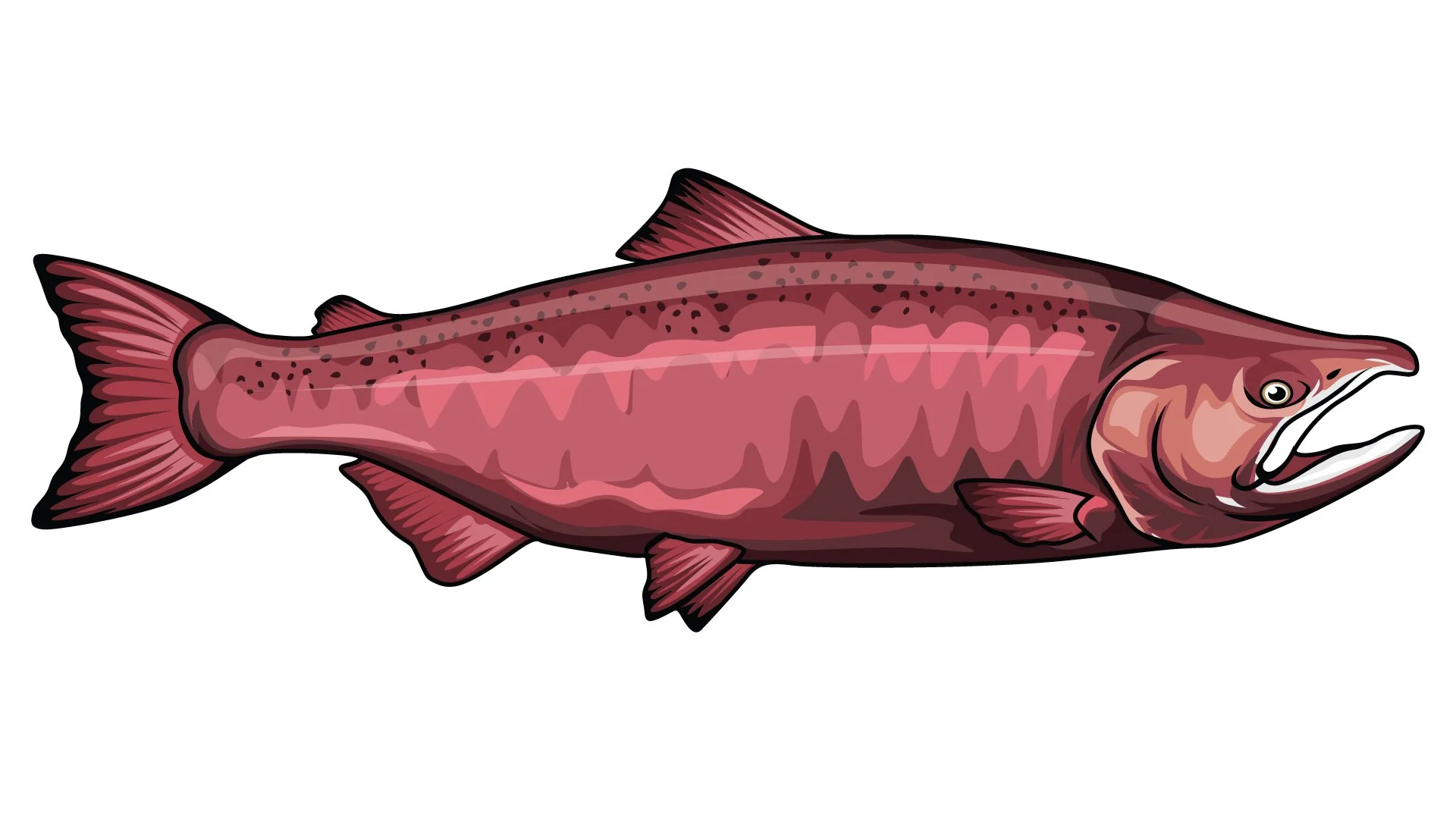
Also known as King Salmon, Chinook are the largest of the Pacific salmon species. They can weigh over 100 pounds, although most average between 10–50 pounds. These fish are renowned for their strength, size, and rich flavor, making them a favorite among anglers and chefs alike.
• Where They Live: Chinook are found from central California to Alaska and across the Pacific to parts of Russia and Japan. They inhabit both large river systems and the open ocean.
• What They Eat: In the ocean, Chinook feed on herring, sand lance, squid, and other small fish. Juveniles eat aquatic insects and zooplankton in freshwater.
• Spawning: Chinook spawn in late summer to early fall, depending on their location. They prefer large, gravel-bottomed rivers.
• Importance: Chinook are crucial for ecosystems and are also culturally significant to Indigenous communities. Their decline in some areas has sparked major conservation efforts.
Coho Salmon (Oncorhynchus kisutch)
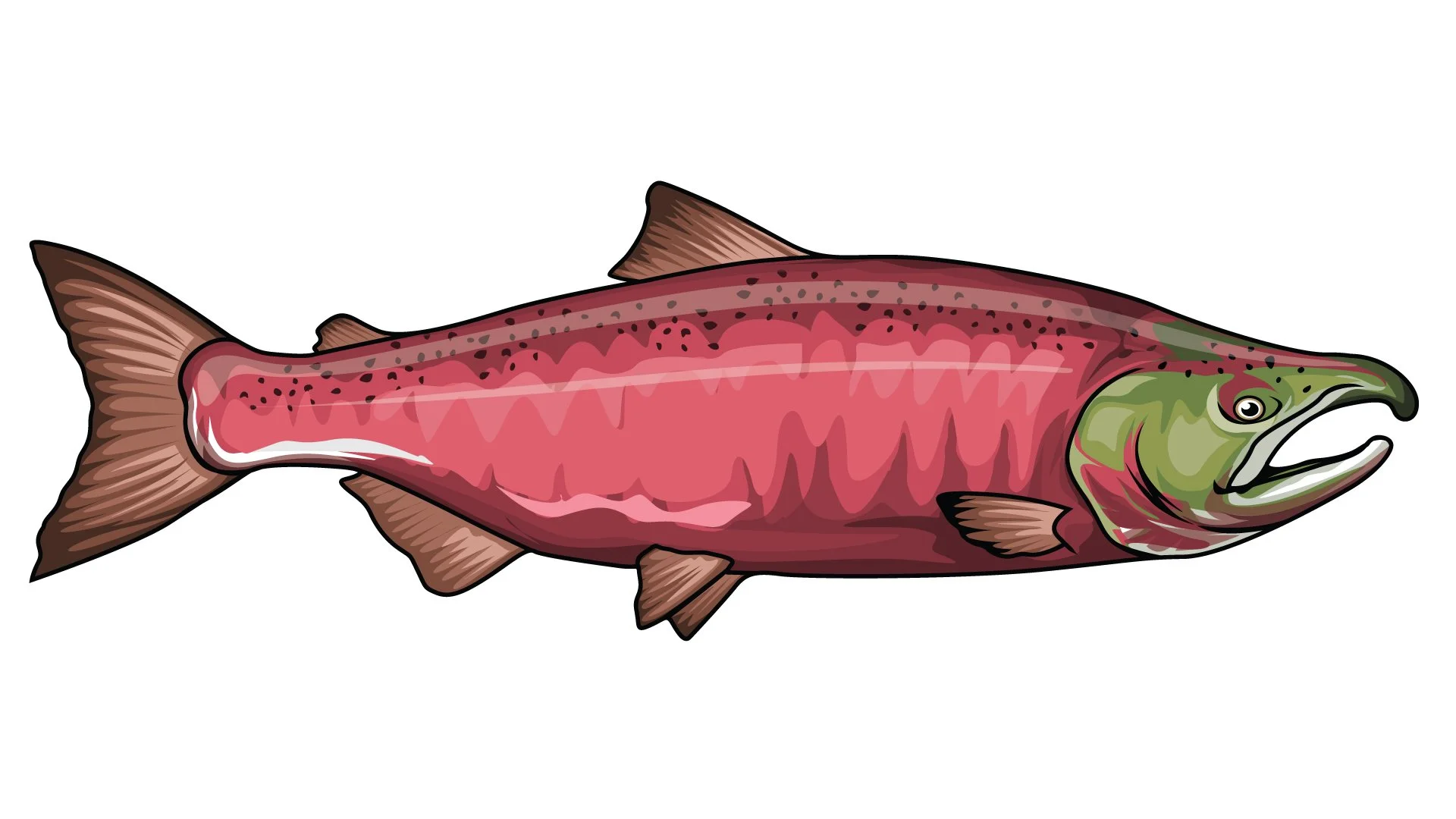
Known as Silver Salmon, Coho are medium-sized and acrobatic fighters, often sought after by sport fishers.
• Where They Live: Ranging from California to Alaska, Coho are also found across the Pacific in parts of Russia.
• What They Eat: In the ocean, they feed on krill, herring, and other small fish. Young Coho eat aquatic insects and plankton in streams.
• Spawning: Coho spawn in late fall to early winter in smaller tributaries and creeks, often returning to the very stream where they were born.
• Importance: Coho are vital to healthy stream ecosystems and are sensitive to habitat changes, making them a key indicator species for environmental health.
Sockeye Salmon (Oncorhynchus nerka)
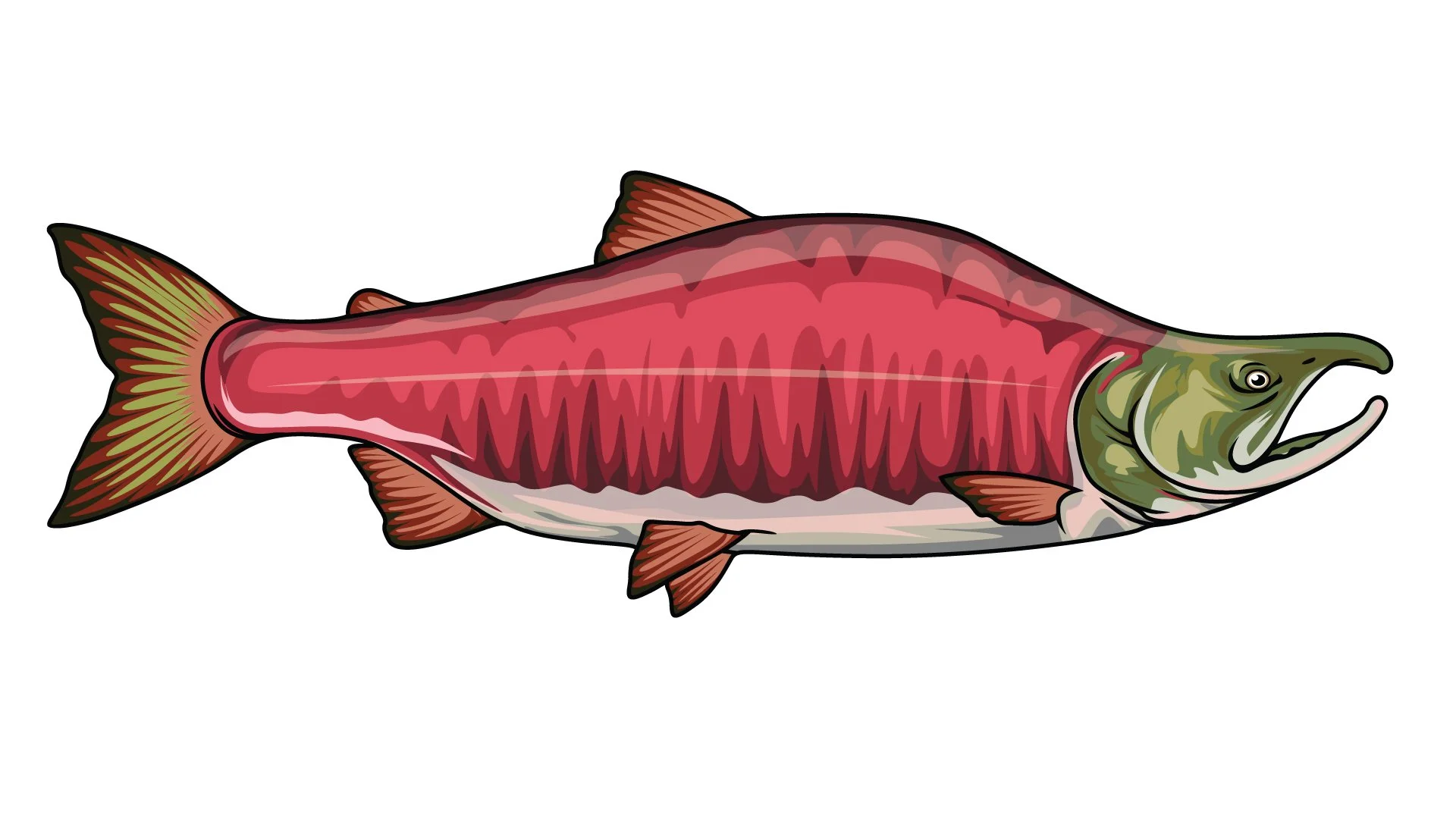
Called Red Salmon for their brilliant spawning colors, Sockeye are known for their deep red meat and impressive migrations.
• Where They Live: Sockeye are found throughout the Pacific Northwest, British Columbia, and Alaska, often migrating great distances inland to lakes and headwater streams.
• What They Eat: While in freshwater, juveniles feed on zooplankton and aquatic insects. In the ocean, they eat plankton, shrimp, and small fish.
• Spawning: Sockeye spawn in late summer to early fall, typically in lake-fed rivers or streams. They are unique for their dependence on lake systems for part of their life cycle.
• Importance: Sockeye are critical to many ecosystems and economies, particularly in Alaska, where they support major commercial fisheries.
Pink Salmon (Oncorhynchus gorbuscha)
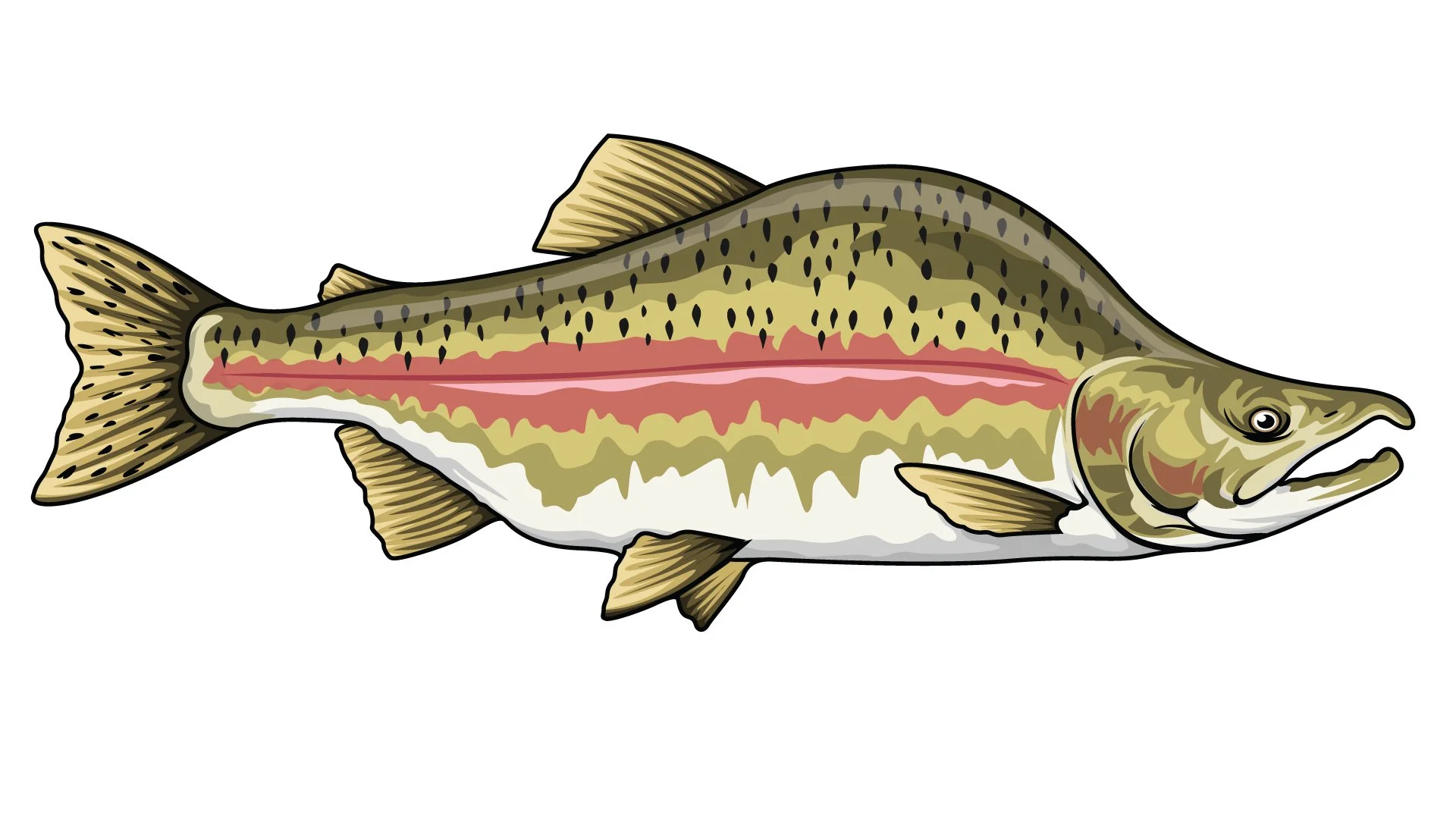
Often called Humpies because of the pronounced hump males develop during spawning, Pink Salmon are the smallest and most abundant Pacific salmon.
• Where They Live: Found from Puget Sound north through Alaska and into Asia, Pink Salmon have the shortest freshwater residence time of all the species.
• What They Eat: In the ocean, they consume zooplankton, small fish, and squid. Juveniles migrate to the ocean almost immediately after hatching.
• Spawning: Pinks spawn every two years, typically in the late summer, and favor small coastal streams and rivers.
• Importance: Despite their small size, Pink Salmon play a huge role in the food chain, providing food for bears, birds, and other wildlife.
Chum Salmon (Oncorhynchus keta)

Also known as Dog Salmon, Chum are valued both for their roe and their role in nutrient cycling within river systems.
• Where They Live: Chum range from California to the Arctic and across to Japan. They tend to spawn in lower elevation streams and estuaries.
• What They Eat: In the ocean, they feed on zooplankton, squid, and small fish. Juveniles grow quickly and head to sea shortly after hatching.
• Spawning: Chum spawn in late fall and early winter. Males develop striking vertical stripes and fierce teeth during spawning.
• Importance: Chum are known for bringing marine nutrients far inland when they die after spawning, enriching entire ecosystems.
Why Pacific Salmon Matter
Pacific salmon are a keystone species. Their life cycle—born in freshwater, growing in the ocean, and returning to their birthplace to spawn and die—creates a unique transfer of nutrients from the sea to land. When salmon die after spawning, their bodies feed bears, eagles, otters, and even forest trees through the nutrient-rich soil left behind.
Culturally, salmon have shaped Indigenous traditions for thousands of years, serving as a cornerstone of diet, ceremony, and identity.
Economically, salmon support massive commercial and recreational fisheries, bringing millions of dollars to the Pacific Northwest annually.
Challenges and Conservation
Unfortunately, Pacific salmon face numerous threats including habitat loss, climate change, overfishing, and dammed rivers. Conservation efforts focus on habitat restoration, sustainable fishing practices, hatchery management, and dam removal where possible. The health of salmon populations often reflects the overall health of the environments they inhabit.
Pacific salmon are more than just fish—they’re storytellers of the wild, bridging land and sea, past and present. Whether you’re an angler, a conservationist, or simply someone who enjoys nature, protecting salmon is protecting a legacy that nourishes both the earth and the soul.
Thanks for reading this blog post! If you’re a fishing fanatic like me, show your passion by rocking one of the fishing shirts available in my shop. Every purchase helps support my mission to spread the joy of fishing, protect the waters we love, and keep the spirit of the outdoors alive.
Tight lines,
Danny Egan
Egan Fishing
