
Panfish - How to Fly Fish for Them
Understanding Panfish Habitat
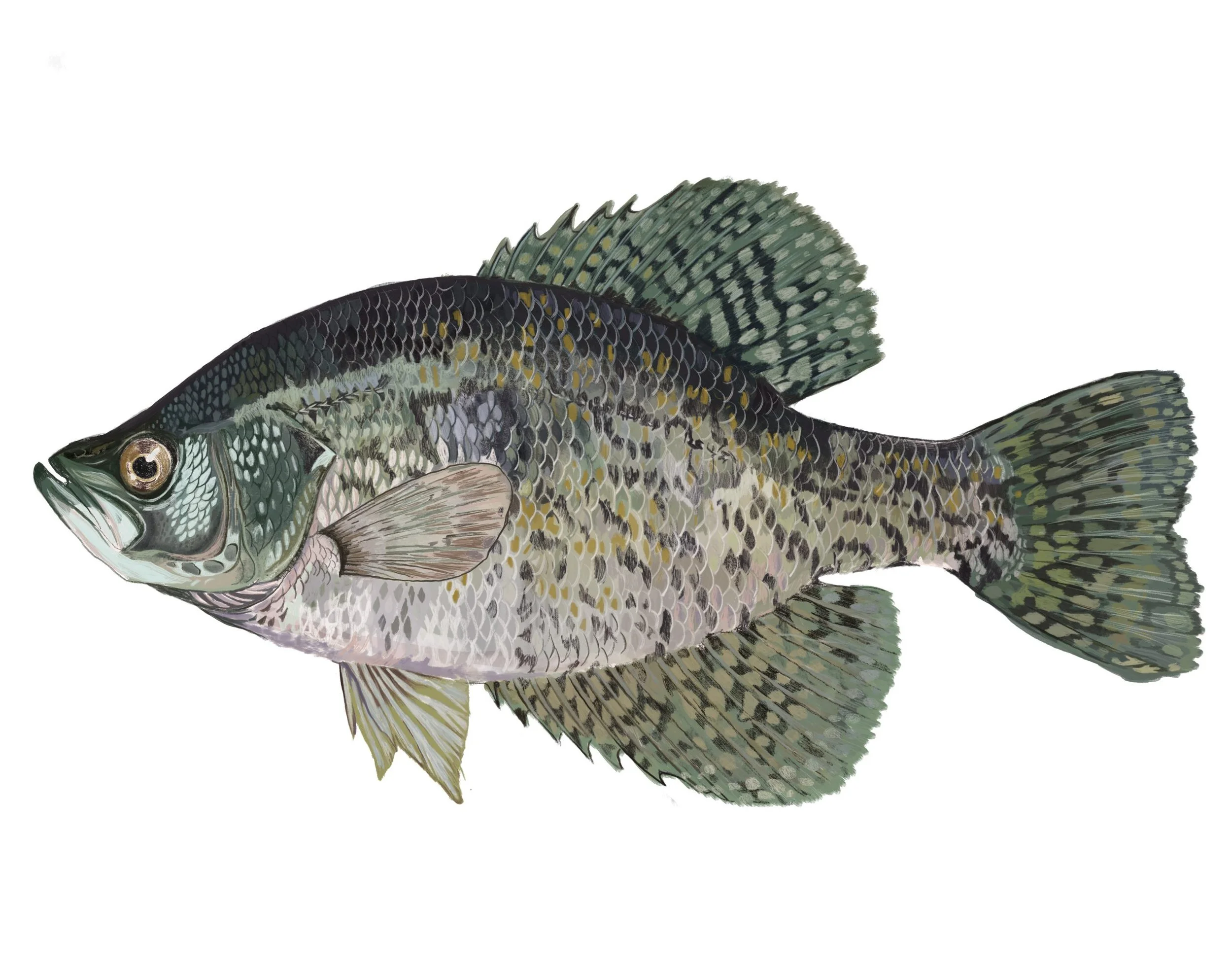
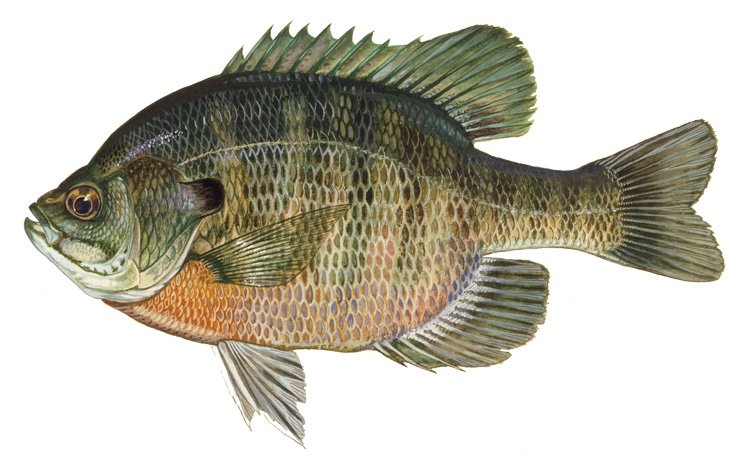
Panfish, including bluegills, crappies, and yellow perch, can be found in a wide variety of freshwater habitats. Lakes and ponds are common locations, but don’t overlook slow-moving rivers and reservoirs. Often, these fish are found in shallow areas where they can find cover and ample food. Look for structures such as:
• Submerged Vegetation: These plants provide both cover and a source of food.
• Rock Piles and Brush: Areas with fallen trees and rocks are excellent hiding spots.
• Shallows Near Spawning Beds: In the spring, males will nest in shallow, sandy areas. Finding these spots can lead to successful fishing.
Water Temperature and Its Effects
Water temperature is essential for understanding panfish activity. Panfish are most active within a temperature range of 65°F to 70°F. In spring, as temperatures rise, panfish become more active and move into shallower waters. Conversely, in the colder months, their metabolism slows down, and they retreat to deeper areas, making them less accessible.
In spring, look for water temperatures reaching around 60°F, as this often coincides with the beginning of their feeding frenzy and nesting activities.
Best Flies for Panfish
When fly fishing for panfish, having a diverse selection of flies on hand is beneficial. Let’s explore both topwater and nymph options.
Topwater Flies:
1. Poppers: One of the most exciting ways to catch panfish is using poppers. Look for colors like chartreuse, white, or black, which mimic small baitfish and insects.
2. Foam Beetles: Ideal for warm weather, these flies float well and effectively imitate terrestrial insects that may fall into the water. Use black and brown variations in overcast conditions.
3. Dragonfly Nymphs: These larger flies can attract panfish during summer when they dive deeper for this food source.
Nymphs:
1. Bead Head Pheasant Tail Nymph: This is a versatile fly that imitates multiple aquatic insect life stages and is effective in various water conditions.
2. Soft Hackle Nymphs: These are useful when panfish are feeding on smaller nymphs in the water column, particularly in early spring. Soft Hackle moves well in water giving flies a natural look.
3. Copper John Nymphs: With their flashy colors and weighted bodies, Copper Johns are effective at getting down to where panfish are feeding, especially in currents.
4. Woolly Buggers: Though often associated with trout, small versions in bright colors can be used successfully for panfish as well, particularly when fished in a stripped manner.

Essential Gear for Fly Fishing for Panfish
Fishing for Panfish Having the right gear is instrumental in your success while fly fishing for panfish. Here are some essential items:
1. Rod and Reel: A 3 to 5 weight fly rod, 8 to 9 feet long, is ideal for targeting panfish. A lighter rod offers better sensitivity and control, allowing for more accurate casts and softer presentations.
2. Fly Line: Use a weight-forward floating fly line for better casting ability, particularly in windy conditions. A floating line provides excellent surface presentation for topwater flies.
3. Leader and Tippet: A 9 to 12-foot leader with a tippet ranging from 4X to 6X is recommended. The longer leader allows you to maintain stealth, particularly in clear water.
4. Fly Box: Organize your flies in a fly box to keep them accessible and to allow easy switching throughout the day.
5. Polarized Sunglasses: These are crucial for reducing glare on the water and helping you see fish and underwater structures.
6. Landing Net: A small mesh landing net will assist in landing fish without damaging their delicate fins and scales.
7. Appropriate Clothing: Weather-appropriate clothing such as a wide-brimmed hat, quick-drying shirt, and waterproof shoes can enhance comfort during your outing.
Timing Your Fishing for Panfish
Understanding the best times to fish for panfish, such as bluegill, crappie, and perch, can significantly enhance your chances of success. While spring through early fall is typically prime time, specific periods within these seasons can produce better results.
In spring, as water temperatures begin to warm and the days get longer, panfish move into shallower waters to spawn. This is often the best time to fish for them, particularly during the pre-spawn and spawning periods when they are more aggressive and easier to locate. Early morning and late afternoon tend to be the prime feeding times, as panfish are more active during these periods.
During the summer months, panfish can be found around structures such as docks, submerged trees, and weed beds. They often seek shade during the hottest parts of the day, making late morning and early evening again optimal times for fishing. In the fall, panfish can be found feeding heavily as they prepare for winter, returning to shallower waters, making this another excellent time to fish.
Weather Conditions and Their Effects on Panfish Fishing
Weather conditions play a critical role in determining fishing success for panfish. Overcast days can be particularly advantageous as panfish tend to be more active and willing to feed in low-light conditions. Additionally, light rain can contribute to a productive fishing day, as the rain can cause insects to fall onto the water, enticing fish to the surface.
Conversely, bright sunny days can make fish more cautious, causing them to seek cover. During these times, fishing in shaded areas or deeper regions where panfish might be hiding can still yield positive results. Changes in atmospheric pressure, such as those associated with incoming fronts, can also influence fish behavior; many anglers report better success just before a front moves in.
Understanding these weather dynamics allows anglers to adapt their strategies and select the best times and locations to fish for panfish.
Taking Kids Fishing to Introduce Them to the Sport
Taking kids fishing is an excellent way to introduce them to the sport and foster a love for the outdoors. Starting with spinning rods and a bobber setup can be ideal for beginners. This approach allows children to easily understand the mechanics of fishing without the complexity of fly casting. A simple rig with a small hook, bait, and bobber makes it easier for young anglers to learn how to cast, detect bites, and reel in their catch.
Using this method, kids can experience the joy of catching fish without the frustration that often comes with more advanced techniques. Plus, panfish are usually abundant and willing to bite, providing immediate gratification that helps maintain their interest.
Encouraging children to participate in all aspects of fishing—from helping to set up the gear to landing the fish—promotes a sense of accomplishment and responsibility. As they gain confidence and interest, they can gradually transition to other fishing techniques, including fly fishing, when they are ready.
Thanks for reading this blog post! If you’re a fishing fanatic like me, show your passion by rocking one of the fishing shirts available in my shop. Every purchase helps support my mission to spread the joy of fishing, protect the waters we love, and keep the spirit of the outdoors alive.
Tight lines,
Danny Egan
Egan Fishing
